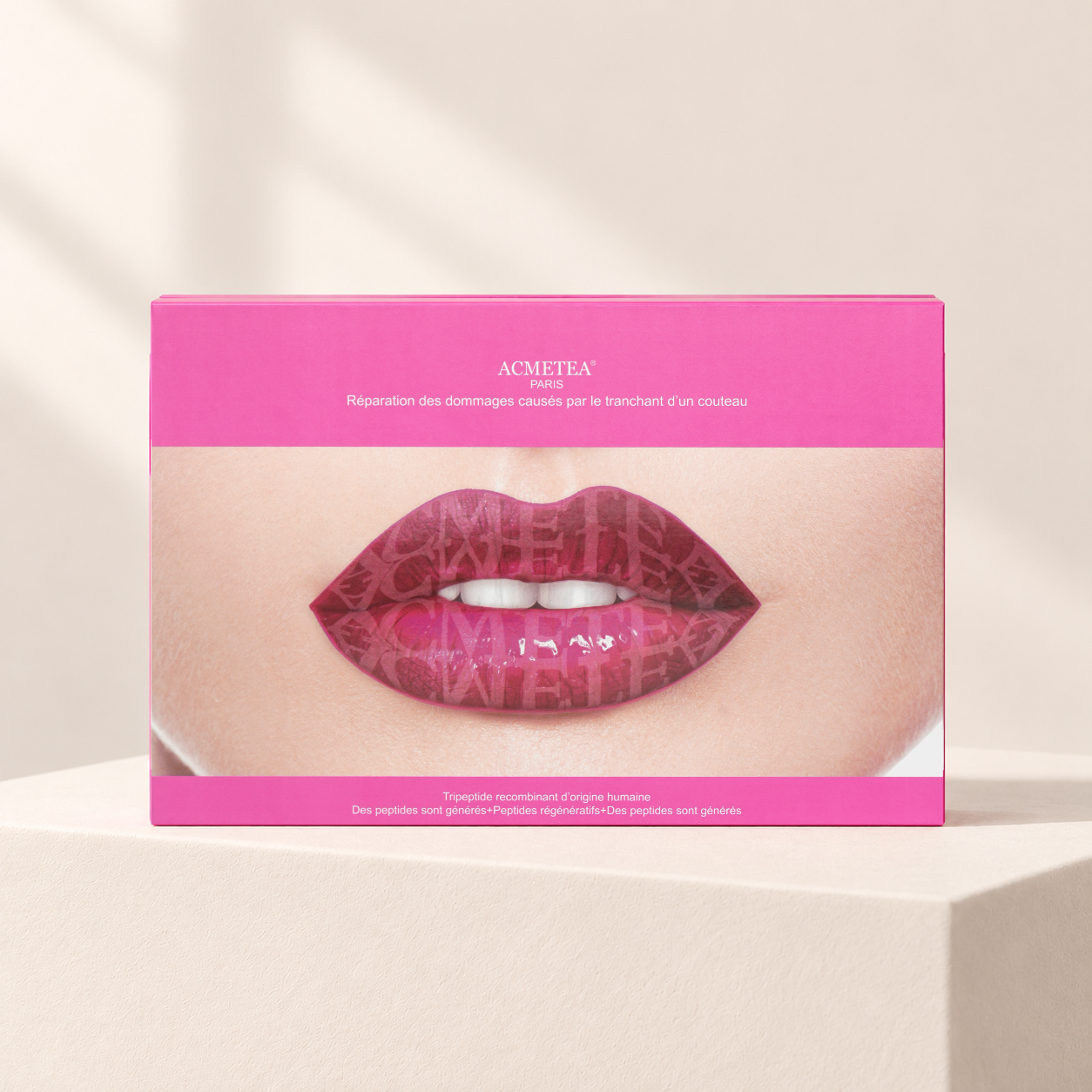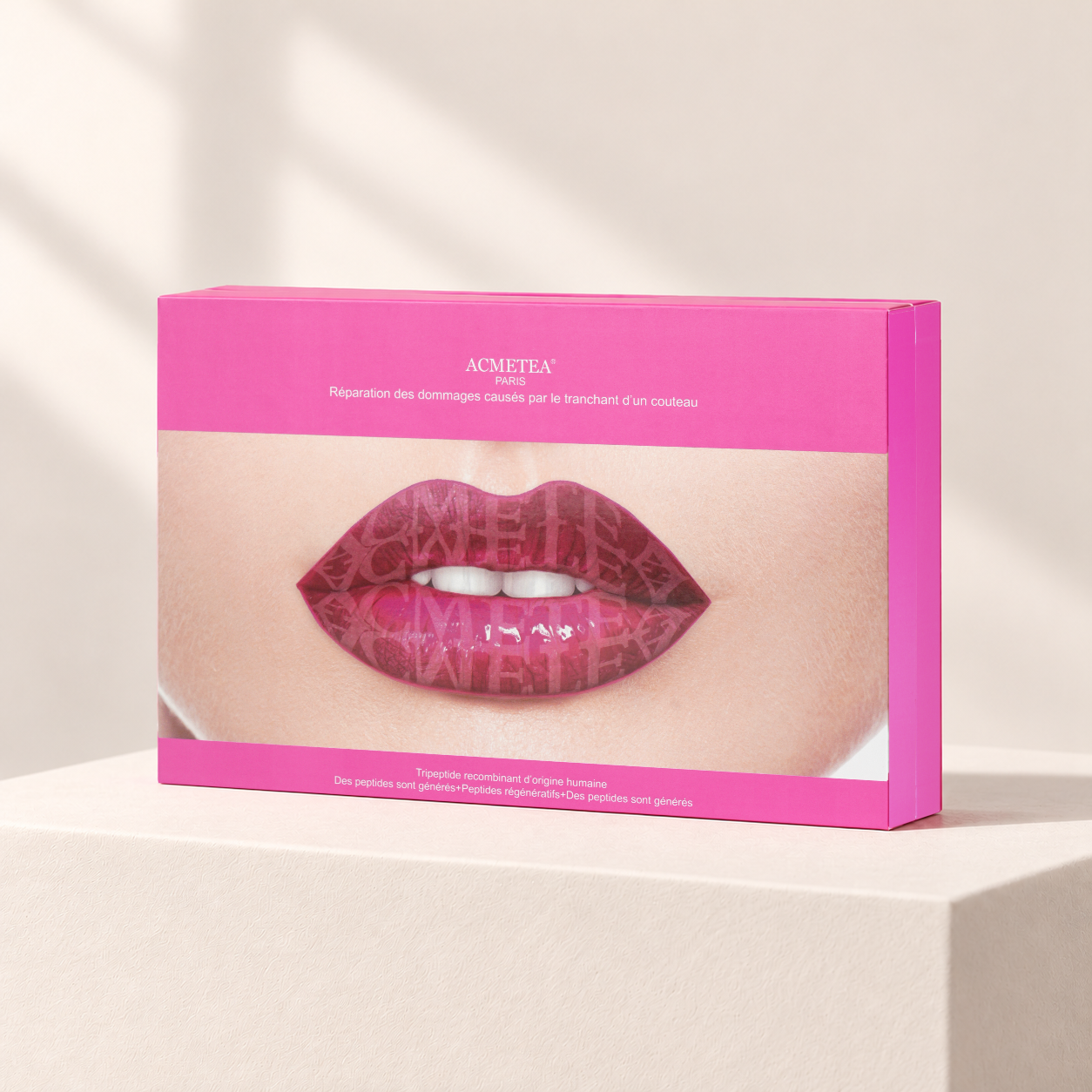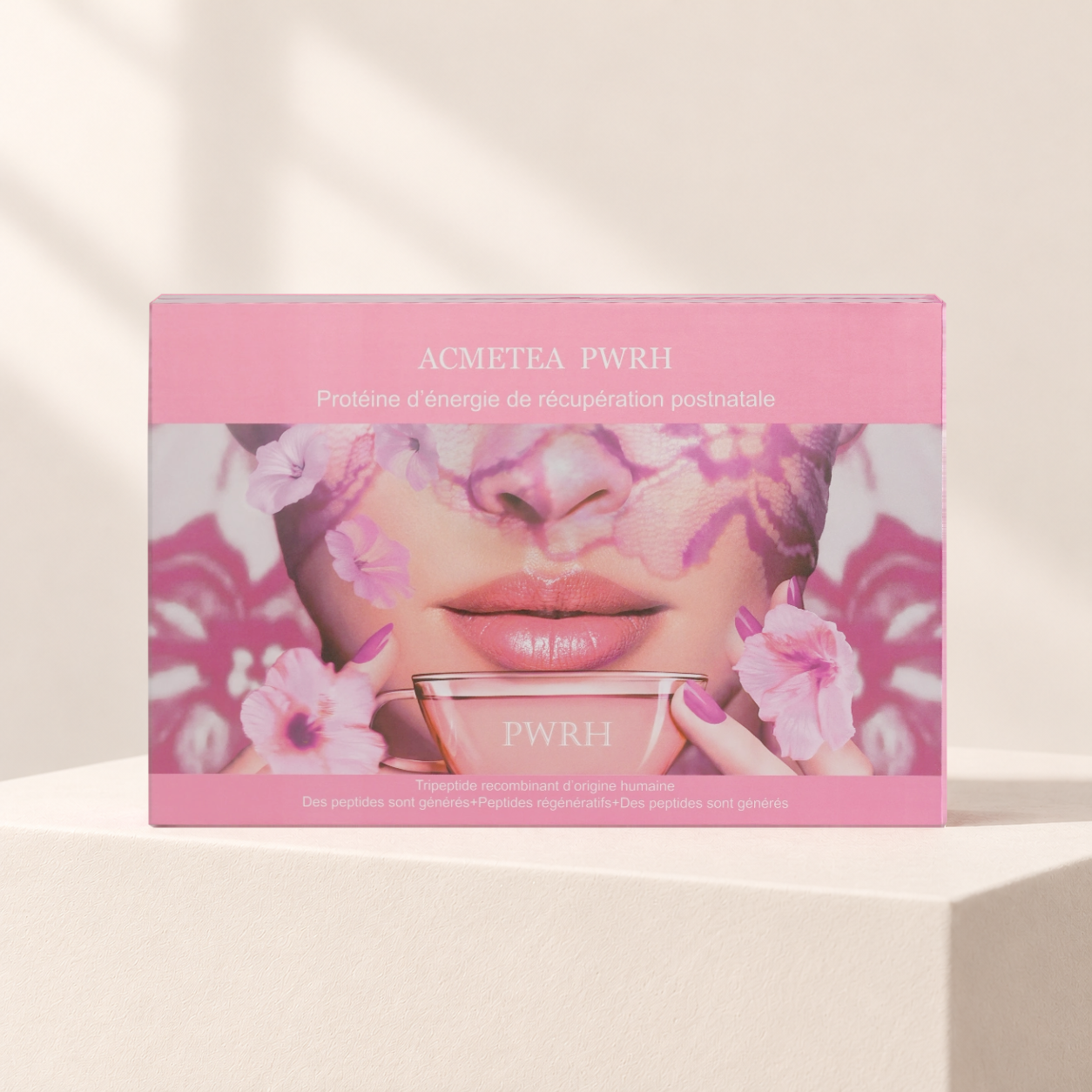
WOMEN'S WELLNESS
PWRH
Care that makes room for you.
PWRH brings together protein ingredients, micronutrients and botanicals in a considered approach to women's nutrition. Begin with the postnatal perspective, then explore the collection's other life-stage stories.
- 16 sachets
- 13 g per sachet
- Women's wellness
Contains snow lotus culture. Do not use during pregnancy. Seek individual advice before preconception or breastfeeding use.
INGREDIENT SCIENCE, MADE PERSONAL
Distinctive ingredients. Care centred on you.
PWRH brings four ingredient stories into postnatal nutrition: skin-related peptides and NAG, a distinctive milk hydrolysate, bird's-nest glycoproteins, and essential blood-and-cell nutrients. Explore the different roles behind a considered approach to nourishment after childbirth.
Collagen peptides + NAG
Two ingredient perspectives on skin structure and moisture.
EXPLORE THE INGREDIENT STORY ↗Lactium® milk peptides
Casein hydrolysate, with alpha-casozepine at its centre.
EXPLORE THE INGREDIENT STORY ↗Bird's nest & sialic acid
Glycoproteins give bird's nest its own ingredient character.
EXPLORE THE INGREDIENT STORY ↗Haemoglobin-derived iron + folate
Oxygen transport and normal cell division, considered together.
EXPLORE THE INGREDIENT STORY ↗Discover the roles of individual ingredients. Research summaries identify the preparation, population and findings of each study.
INSIDE THE FORMULA
More than
one ingredient.
Understand the ingredients behind PWRH, one story at a time.
Ingredient & nutrition details ↓Explore the research ↗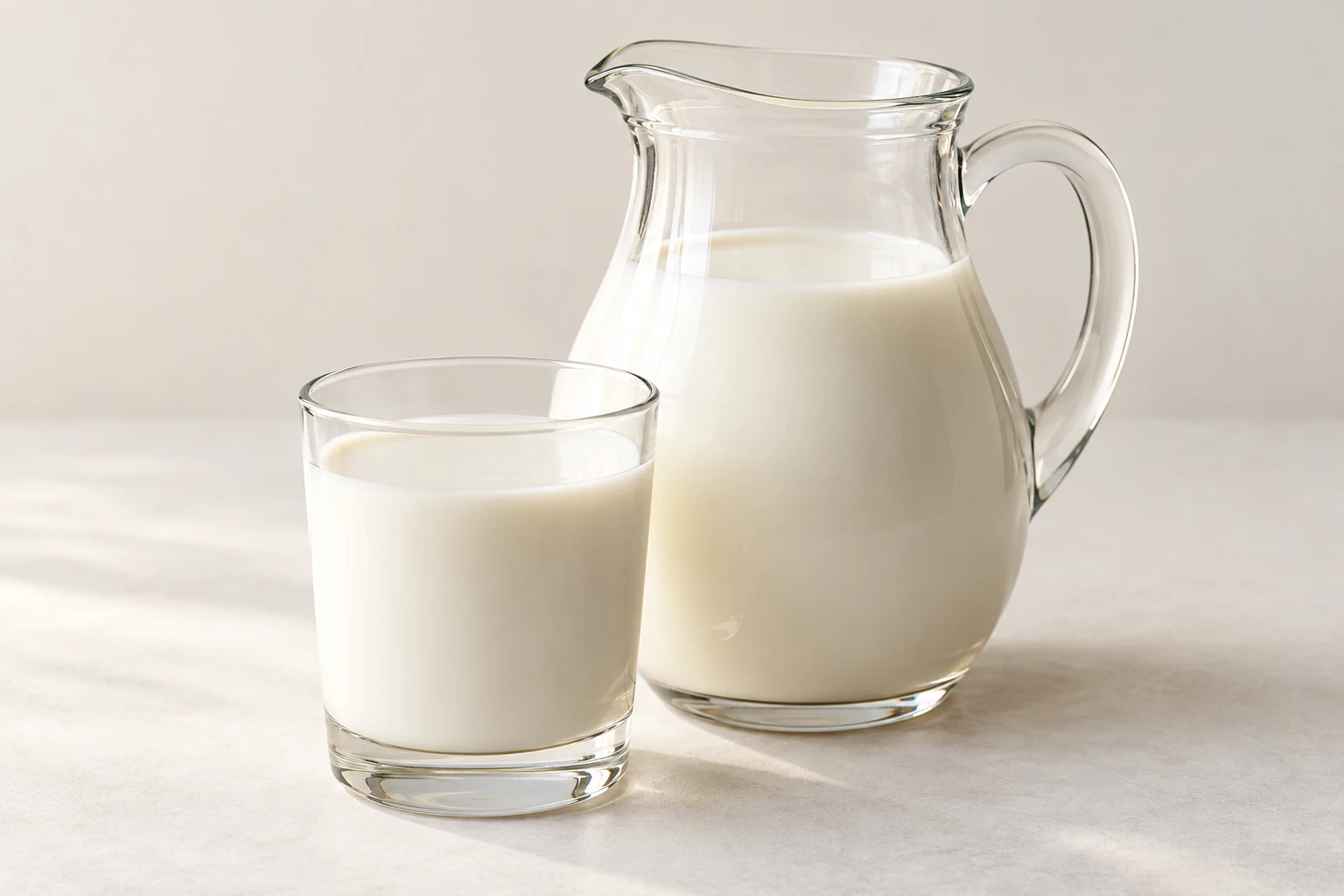
Lactium® casein hydrolysate
A distinctive milk-protein hydrolysate containing alpha-casozepine.
Explore the ingredient
The peptide within milk protein.
Lactium® is obtained by hydrolysing casein into smaller peptides, including alpha-casozepine. Research on this milk-derived ingredient has explored stress-related symptoms in adult women. Contains milk; unsuitable for a milk-protein allergy.
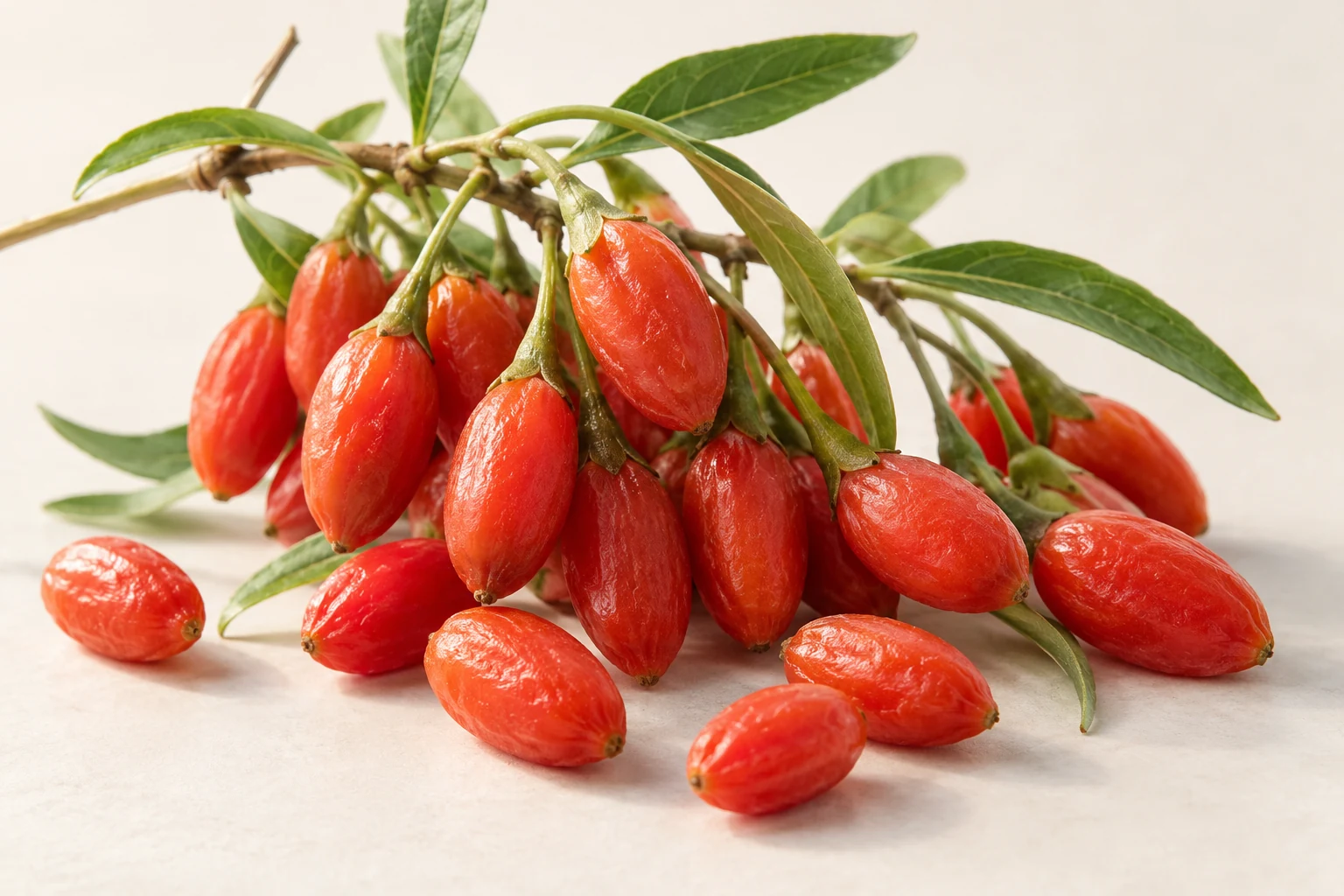
Goji berry powder
Goji berry powder is one of the formula's botanical ingredients.
Explore the ingredient
A closer look at the fruit.
The ingredient list names goji berry powder. Here, the red fruit introduces the botanical behind that ingredient, alongside the formula's protein ingredients and micronutrients.
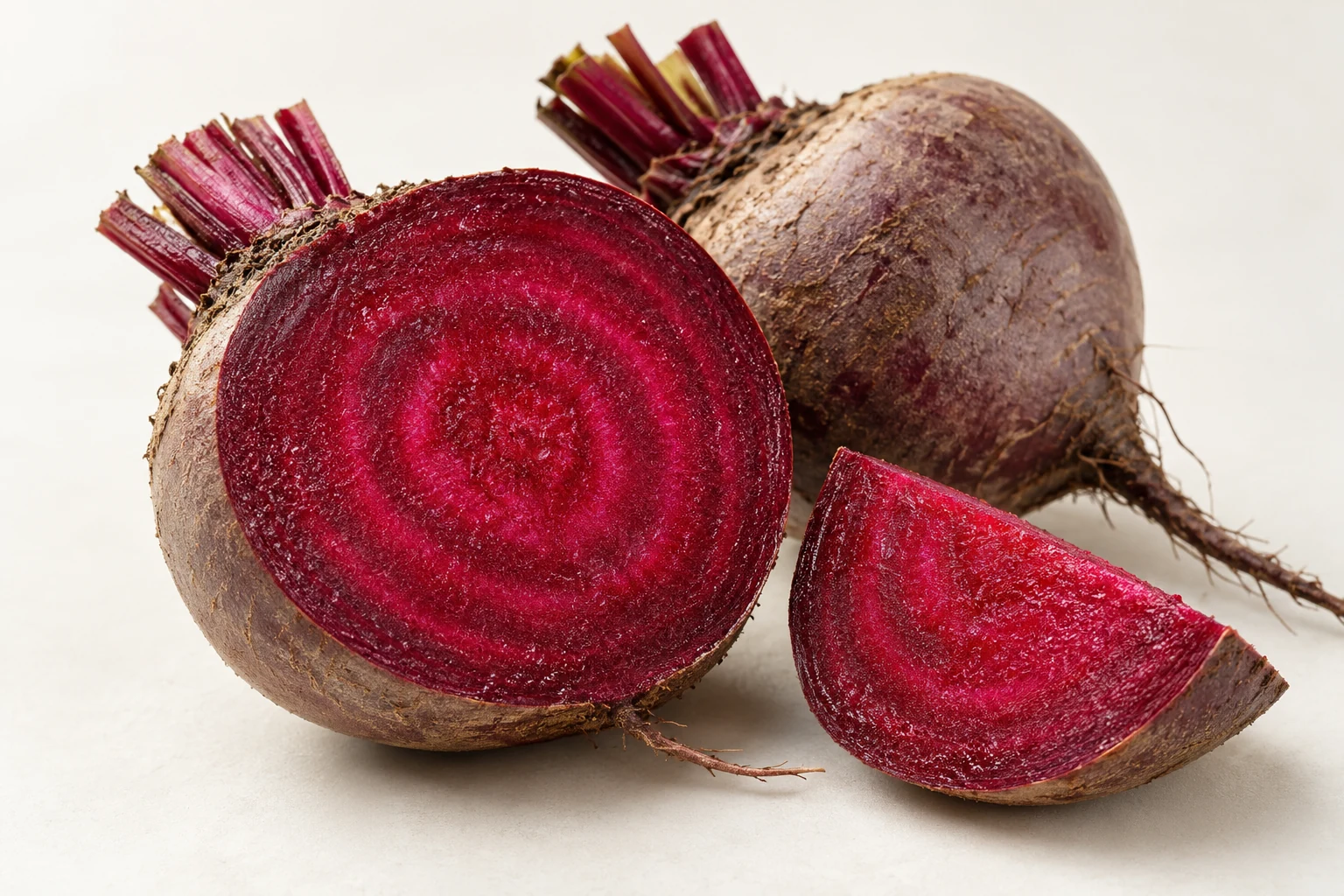
Beetroot juice powder
A root-derived ingredient, listed as beetroot juice powder.
Explore the ingredient
From root to juice powder.
The ingredient list identifies this botanical by its preparation: beetroot juice powder. The cut root offers a closer look at the plant behind the ingredient.
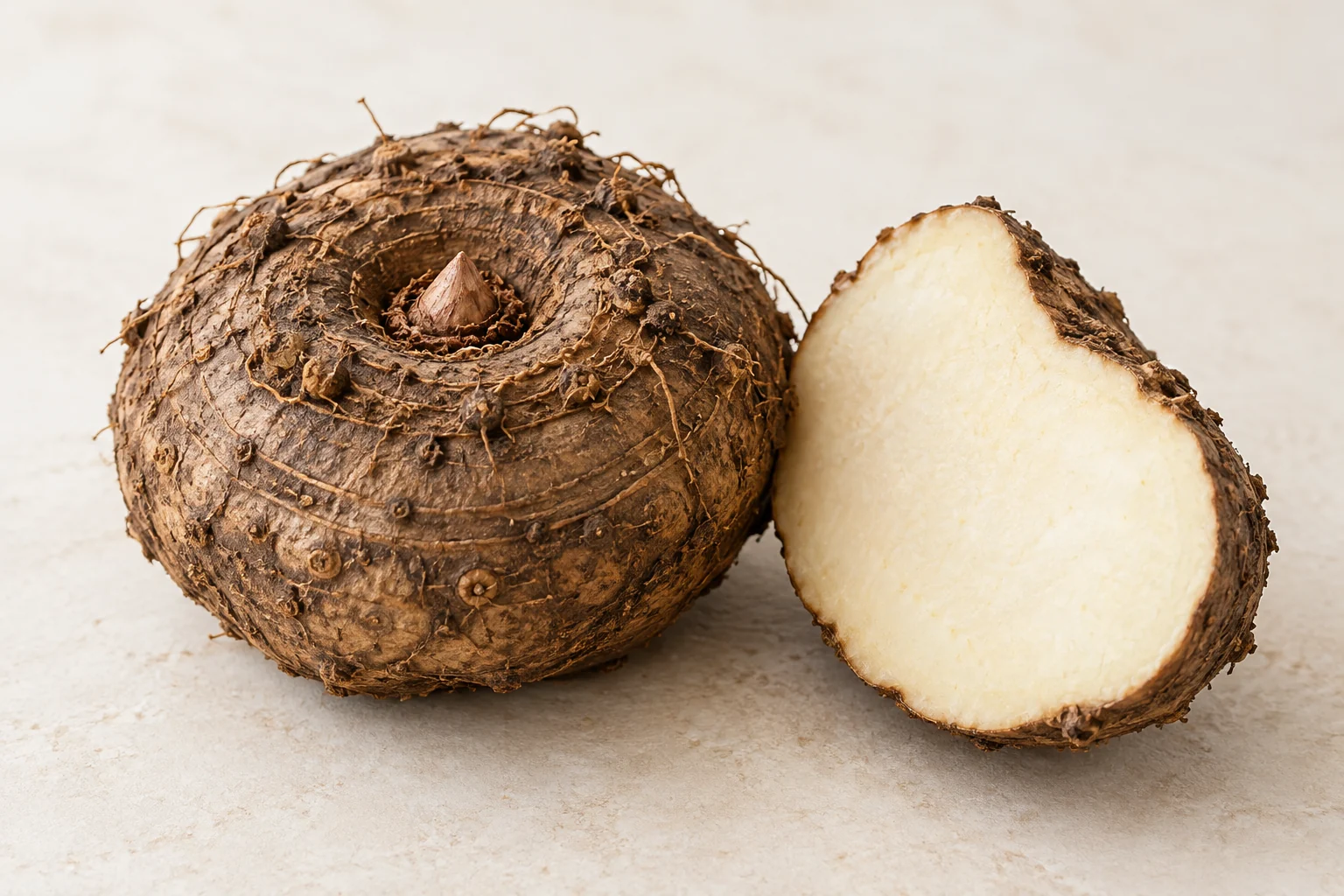
Konjac powder
Konjac powder brings a tuber-derived botanical into the formula.
Explore the ingredient
From a distinctive tuber.
The ingredient list names konjac powder. Its textured tuber introduces the plant material behind this ingredient.
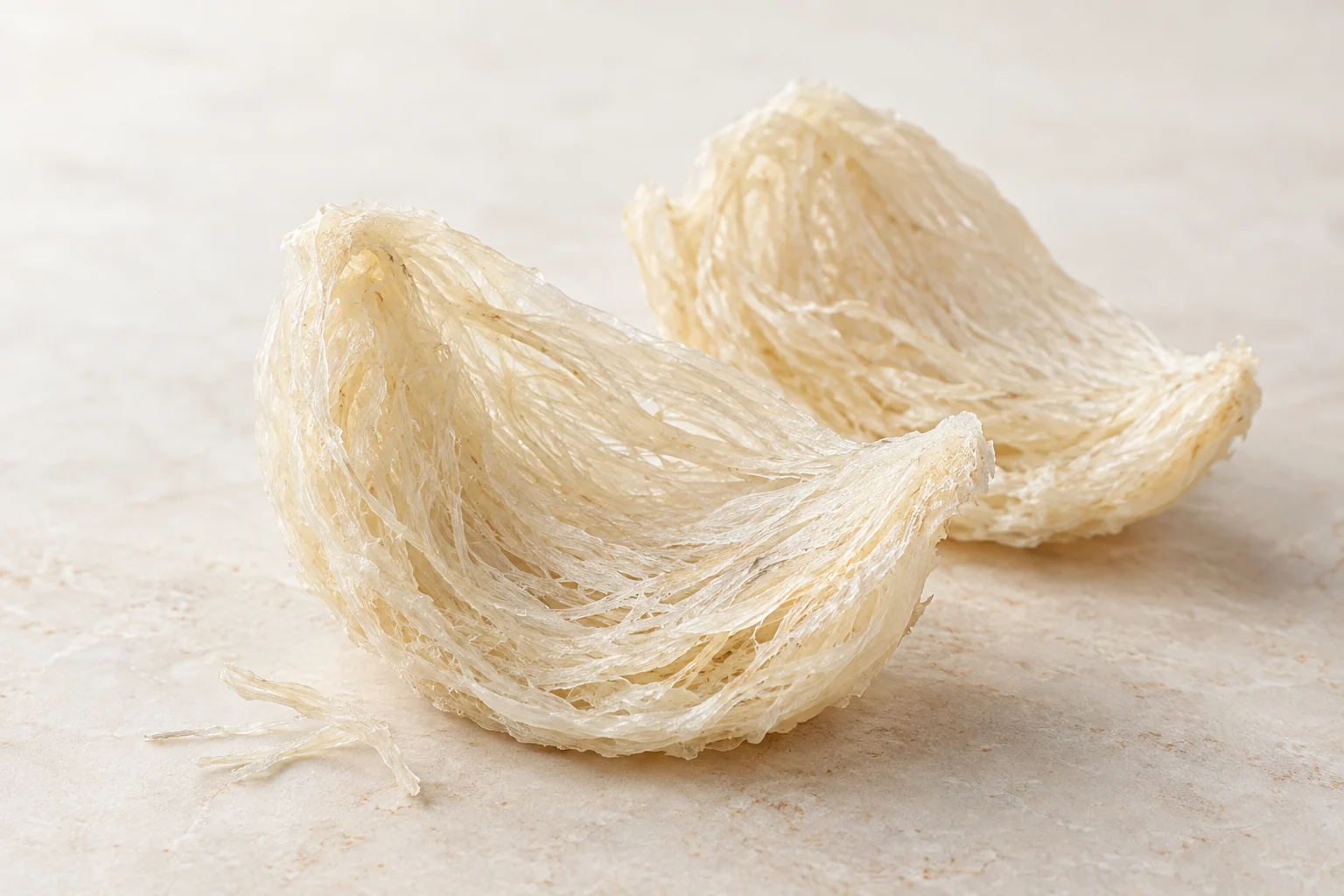
Bird's nest powder
Bird's nest introduces naturally occurring glycoproteins and sialic acid.
Explore the ingredient
Beyond a familiar delicacy.
Glycoproteins combine proteins with sugar chains. Sialic acid is part of this distinctive composition, giving bird's nest a different ingredient profile from collagen peptides.
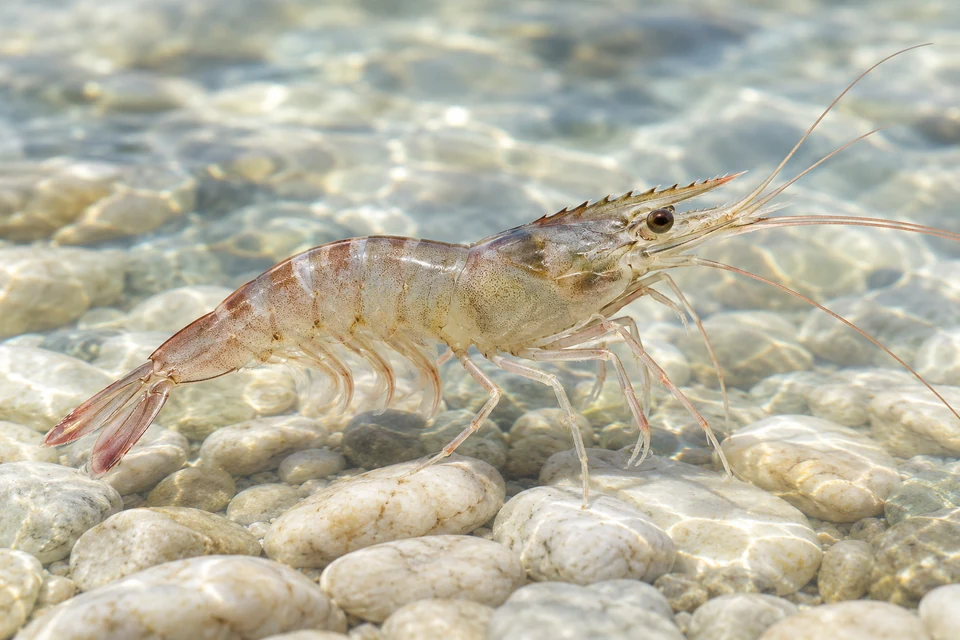
N-acetylglucosamine
NAG connects a crustacean-derived ingredient with the science of skin moisture.
Explore the ingredient
A building block of hyaluronic acid.
NAG is a sugar component of hyaluronic acid. This ingredient comes from crustacean-shell chitin. Its skin-moisture research sits alongside collagen-peptide research. Check the allergen information if you have a shellfish allergy.
Haemoglobin-derived iron
Start with its role in blood and oxygen transport.
Explore the ingredient
A closer look at iron.
The formula lists a haemoglobin-derived iron ingredient. Iron is part of haemoglobin, the protein that carries oxygen. Individual iron status provides the starting point for understanding needs after childbirth or through the monthly cycle.
Folic acid
Normal cell division is one of folate's established roles.
Explore the ingredient
Small nutrient. Fundamental biology.
Folic acid is a form of vitamin B9. Folate participates in DNA and RNA synthesis and normal cell division. It is also an established subject in preconception nutrition; this collection's separate pregnancy precautions remain important.
Calcium L-lactate
Calcium belongs in the conversation about bone nutrition.
Explore the ingredient
Think about the whole nutritional picture.
Calcium L-lactate is the calcium ingredient listed in the formula. Calcium forms a major part of bone, and changes in bone turnover around menopause make total calcium intake a useful part of a midlife nutritional review.
Ingredient selection
Peptide ingredients, bird’s nest powder, psyllium, fructo-oligosaccharides, goji berry powder, konjac powder, oligosaccharides, rose pollen, calcium L-lactate, snow lotus culture, haemoglobin iron, casein hydrolysate, beetroot juice powder, elastin peptides, DHA algal oil powder, zinc gluconate, steviol glycosides, vitamin A and folic acid.
A selection of ingredients. Read your current pack for the complete ingredient list.
Nutrition information
| Nutrient | Amount |
|---|---|
| Energy | 364 kcal |
| Protein | 41.5 g |
| Total fat | 5.3 g |
| Trans fat | 0 g |
| Carbohydrate | 37.6 g |
| Total sugars | 0 g |
| Sodium | 30 mg |
Values per 100 g are not amounts per sachet or per day.
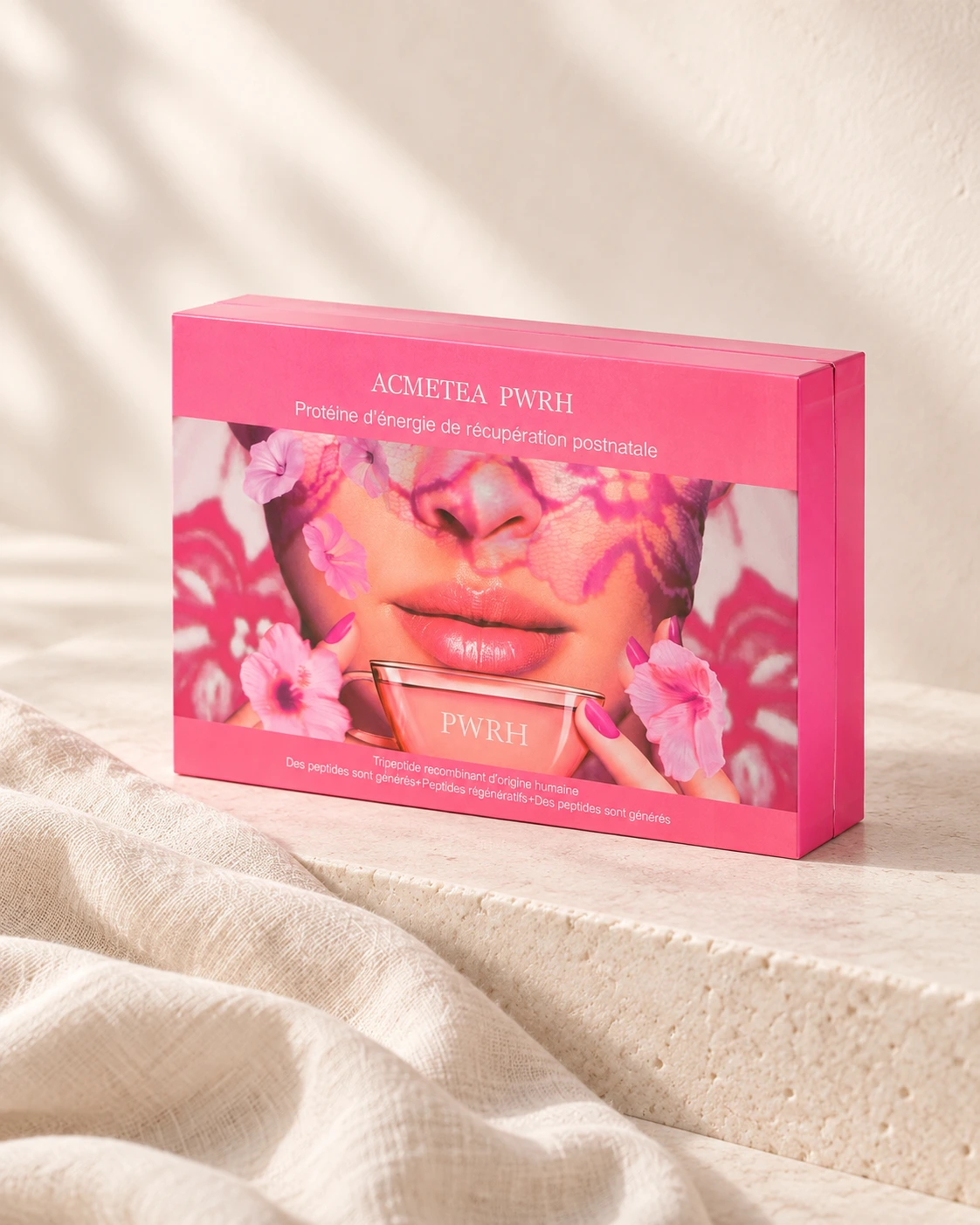
A CONSIDERED DAILY RITUAL
Care that fits
your life.
1–2 sachets per day, in total.
Follow the preparation instructions on your current pack. Do not exceed the recommended daily amount.
Before you begin
Do not use during pregnancy. This collection contains snow lotus culture. Before preconception or breastfeeding use, ask a qualified healthcare professional to review the complete formula, including vitamin A.
Contains milk-derived casein hydrolysate. Check the complete ingredient list and other source allergens with your healthcare professional.
The general amount is 1–2 sachets in total per day. Before preconception, breastfeeding or post-procedure use, have your clinician review the complete formula and appropriate timing. Do not exceed the recommended daily amount.
Food supplements do not replace a balanced diet, a healthy lifestyle or medical care.
Pack size & storage
208 g per box; 16 sachets of 13 g.
Store sealed in a cool, dry place. Do not refrigerate, to avoid condensation.
Shelf life: 24 months. Use-by date: see box.
WOMEN'S WELLNESS
Care for the chapter you are in.
Postnatal life. Preconception questions. Monthly rhythms. Midlife. Recovery. Explore five nutritional perspectives around the chapter you are in.
YOUR CARE PERSPECTIVE
PWRH
A little more care for you.
PWRH brings four ingredient stories into postnatal nutrition: skin-related peptides and NAG, a distinctive milk hydrolysate, bird's-nest glycoproteins, and essential blood-and-cell nutrients. Explore the different roles behind a considered approach to nourishment after childbirth.
Collagen peptides + NAG
Two ingredient perspectives on skin structure and moisture.
Why this ingredient
Collagen peptides introduce protein fragments studied in skin nutrition; N-acetylglucosamine is a sugar component of hyaluronic acid. Together, they connect collagen-peptide research with the science of skin moisture, each with its own ingredient identity and research story.
Lactium® milk peptides
Casein hydrolysate, with alpha-casozepine at its centre.
Why this ingredient
Hydrolysis releases smaller peptides from milk casein. Lactium® contains alpha-casozepine and has been studied in adult stress and sleep research. Its protein source, processing and peptide profile give this ingredient a distinctive identity. Contains milk; unsuitable for a milk-protein allergy.
Bird's nest & sialic acid
Glycoproteins give bird's nest its own ingredient character.
Why this ingredient
Bird's nest contains proteins with attached sugar chains, including sialic-acid residues. Its composition is distinct from collagen or isolated sialic acid. Explore how processing changes the material and why the exact preparation matters when interpreting a skin study.
Haemoglobin-derived iron + folate
Oxygen transport and normal cell division, considered together.
Why this ingredient
Iron is part of the oxygen-carrying protein haemoglobin; folate participates in normal cell division. After childbirth, the useful question is how your own food intake, blood loss and iron status fit together. Your care team can help decide what additional nutrition is appropriate.
Care context & ingredient research
Life after childbirth brings new routines. PWRH's nutritional perspective begins with the person behind them: food intake, iron status, rest and a care plan that fits your circumstances.
The formula includes an iron ingredient, folic acid and milk-derived peptides. Their nutritional roles bring oxygen transport, normal cell division and an interest in everyday wellbeing into the postnatal nutrition conversation.
Haemoglobin-derived iron
Connects the label's iron ingredient with research on iron status after childbirth. The studied iron preparation and dose differ.
Read the research ↗Folic acid
Introduces folate's role in normal cell division and everyday cell nutrition.
Read the research ↗Casein hydrolysate
Milk-derived peptides have been studied in adult women reporting stress-related symptoms.
Read the research ↗The postpartum iron study used iron sulphate in women with low iron stores. Discuss your iron status and the complete formula with your care team, particularly when breastfeeding.
Can I use PWRH before delivery or while breastfeeding?
Do not use during pregnancy. Before breastfeeding use, have your clinician review the complete formula, including snow lotus culture and vitamin A, together with your current nutrition plan.
What about nutrition after pregnancy loss?
Care after pregnancy loss is individual. Your healthcare team can help assess food intake, iron status and any existing supplements. Bleeding, anaemia or other recovery concerns need medical assessment before choosing a supplement routine.
Before you begin
Do not use during pregnancy. This collection contains snow lotus culture. Before preconception or breastfeeding use, ask a qualified healthcare professional to review the complete formula, including vitamin A.
Following childbirth, pregnancy loss or a procedure, use only when your care team considers the complete formula appropriate. Seek medical assessment for bleeding, anaemia or recovery concerns.
A FEW THINGS TO KNOW
Questions,
answered.
How should I choose a product in this collection?
Start with your life stage: PWRH for the postnatal nutrition perspective, DHEAAMH for preconception questions, MC FERE for monthly nutrition, CSEWHO for midlife, and BNSWHO for a clinician-led recovery routine. Read the ingredient information and review suitability with your healthcare professional.
Can I use this collection during pregnancy?
No. The formula contains snow lotus culture, and pregnancy use is excluded. Preconception and breastfeeding also require a review of the entire formula, including vitamin A. Do not replace prescribed prenatal nutrition.
What can I explore in the ingredient research?
Explore collagen peptides and NAG in skin-moisture research, Lactium® milk peptides in stress-related research, and the composition of bird's nest. Iron, folate and calcium bring essential nutrient roles into the picture. Each source identifies what was studied, in whom, and what was found.
What should I check if I take medicines or other supplements?
Ask a clinician or pharmacist to review the complete formula, other supplements and your total nutrient intake. This is particularly important around surgery, during fertility treatment, or when taking thyroid medicines, iron, calcium or certain antibiotics.
Is the collection suitable for a milk allergy?
It contains milk-derived casein hydrolysate, including Lactium®. Protein hydrolysis does not make a product automatically suitable for a milk allergy. Do not use if you are allergic to an ingredient.
SCIENCE, WITH CONTEXT
Go a little deeper.
Explore the ingredient research behind the collection. Each source introduces the people studied, the preparation used and the full findings.
For your daily amount, follow the product directions in Your routine.
Human ingredient trial · 2014Collagen tripeptides: hydration and elasticity research
Human ingredient trial · 2008N-acetylglucosamine and skin moisture
Laboratory ingredient characterisation · 2021Bird's nest: proteins and sialic acid
Official nutrient information · Current guidanceIron: oxygen transport and individual nutritional needs
Official nutrient information · Current guidanceFolate and normal cell division
Official nutrient information · Current guidanceCalcium and bone nutrition through midlife
Official nutrient information · Current guidanceZinc: proteins, cells and the normal healing process
Human ingredient trial · 2005Iron status after childbirth: a placebo-controlled study
Official clinical nutrition guidance · 2023WHO guidance on postpartum iron supplementation
Official nutrient guidance · 2026Folic acid before pregnancy: established nutrient guidance
Human ingredient trial · 2012Iron and fatigue in menstruating women with low iron stores
Human nutrient-combination trial · 2006Calcium, vitamin D and postmenopausal bone health
Clinical nutrition guideline · 2025Nutrition as part of surgical care
International clinical consensus · 2023Understanding anaemia around surgery
Human ingredient trial · 2007Milk-derived peptides and stress-related symptoms
INGREDIENT INNOVATION
A closer look at
the technology.
Explore published patent documents relating to selected ingredients in this formula.
Patent documents describe inventions and their scope. Human ingredient studies are presented separately in the research section.
Lactium® · milk-derived peptidesFrom milk protein to a defined peptideEP0714910B1 · Historical patent · 1999
Lactium® is a milk-protein hydrolysate developed by Ingredia. Its research history includes the identification of a ten-amino-acid fragment of alpha-s1 casein, known as alpha-casozepine. This foundational patent describes that peptide and hydrolysates containing it.
- Named applicant
- S.C.A. Laitière d’Artois et des Flandres
European grant published in 1999, presented as a historical ingredient-technology reference.
READ THE PATENT DOCUMENTTHE INGREDIENT JOURNAL
A little more understanding.

Nutrition through women's changing life stages
A practical look at menstrual nutrition, preconception, postnatal care and midlife, with food-first foundations and useful nutrient references.
READ ARTICLE ↗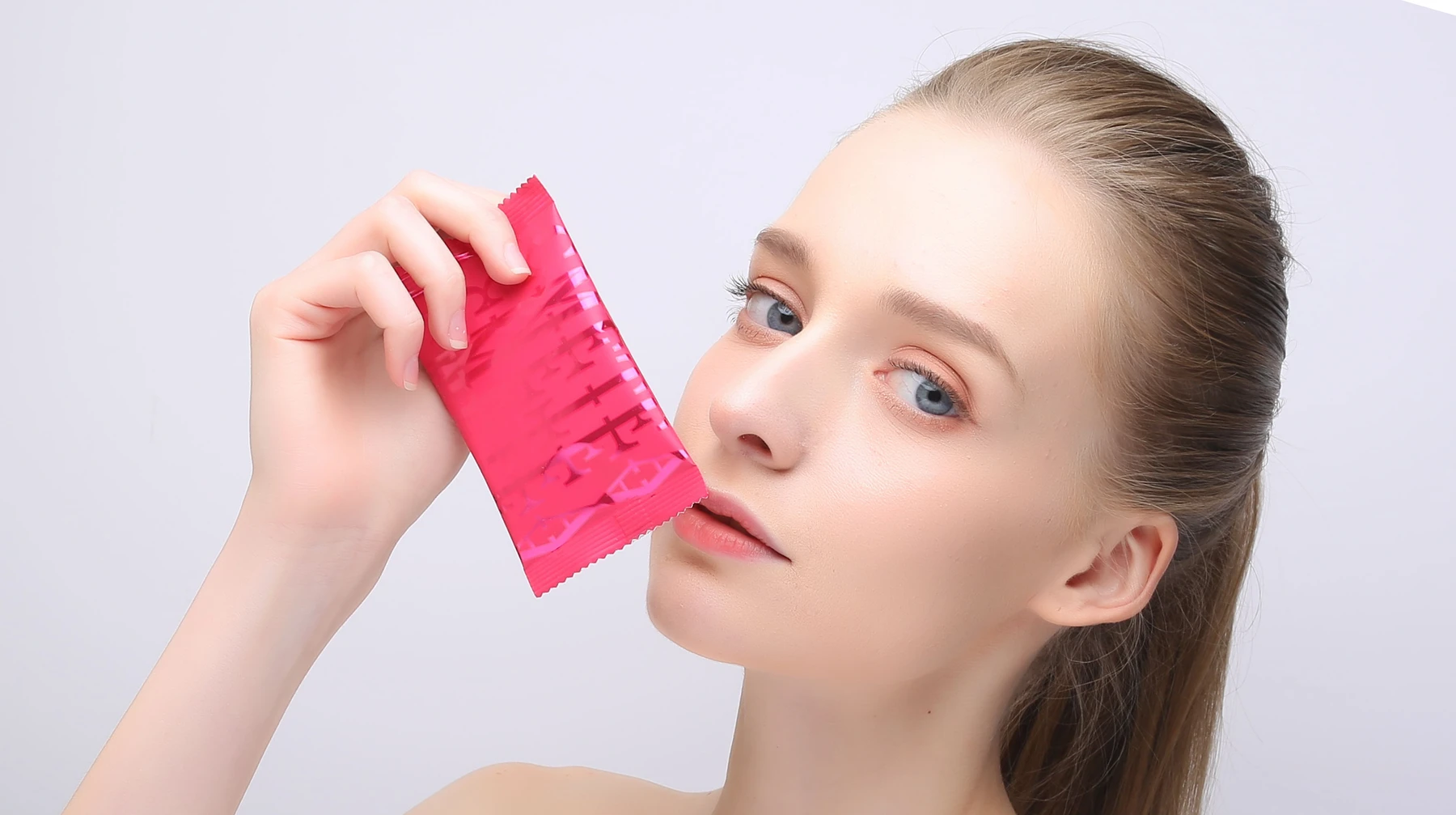
Collagen peptides: a closer look at skin nutrition
What collagen peptides are, how skin studies measure change, and where collagen fits into a daily beauty routine.
READ ARTICLE ↗Lactium® milk peptides: understanding the research on rest
What Lactium® and alpha-casozepine are, what adult stress and sleep studies measured, and why milk allergy and the whole formula matter.
READ ARTICLE ↗Bird's nest and sialic acid: a closer look at glycoproteins
Explore bird's-nest glycoproteins, the meaning of sialic acid, and a human skin trial whose exact preparation and mixed findings matter.
READ ARTICLE ↗