The science
Understand the ingredients. Explore the possibilities.
Beauty nutrition brings together several scientific questions: how skin maintains its structure and moisture, how nutrients take part in normal physiology, and how cellular processes change over time. Our science library introduces those questions and the ingredients researchers study.

Skin nutrition
Structure and moisture are different stories.
A clearer understanding of skin begins by separating the features we see from the measurements used to study them.

- 01
Collagen and peptides
Collagen is a structural protein; collagen peptides are smaller fragments produced from it. Oral peptide research includes studies of skin hydration, elasticity and water loss, using defined preparations and measurements over time.
Collagen tripeptide trial · Tak et al., Frontiers in Medicine, 2021
- 02
The barrier conversation
Ceramides belong to the lipid story of the skin barrier. A trial of a rice-derived glucosylceramide preparation examined facial water loss and other skin measures, making it a useful introduction to how oral ingredients are studied in this area.
Rice-derived glucosylceramide trial · Functional Foods in Health and Disease, 2021
- 03
Essential nutrient roles
Vitamin C is needed for collagen biosynthesis and has antioxidant functions. Understanding an established nutrient role provides a different kind of insight from a trial measuring the effect of an additional supplement.
Cellular research
Look closely at the process being measured.
Cellular science covers many different pathways. Naming the process gives a more useful introduction than treating them all as one subject.

- 01
NMN and NAD+
NMN is an intermediate in the body's production of NAD+, a coenzyme involved in metabolism. Human research has investigated defined metabolic outcomes, including a small trial in women with prediabetes; these studies ask specific questions in specific populations.
NMN and muscle insulin sensitivity · Yoshino et al., Science, 2021
- 02
Ergothioneine
Ergothioneine research includes how the body takes up and retains this dietary compound. A human study measured blood levels after supplementation, providing information about its handling in the body rather than a direct measure of longevity.
- 03
PQQ
Pyrroloquinoline quinone is studied in relation to redox biology. Human research has also explored skin measurements, including water loss, illustrating how the same ingredient can be investigated through several distinct scientific questions.
Everyday nutrition
Established roles matter too.
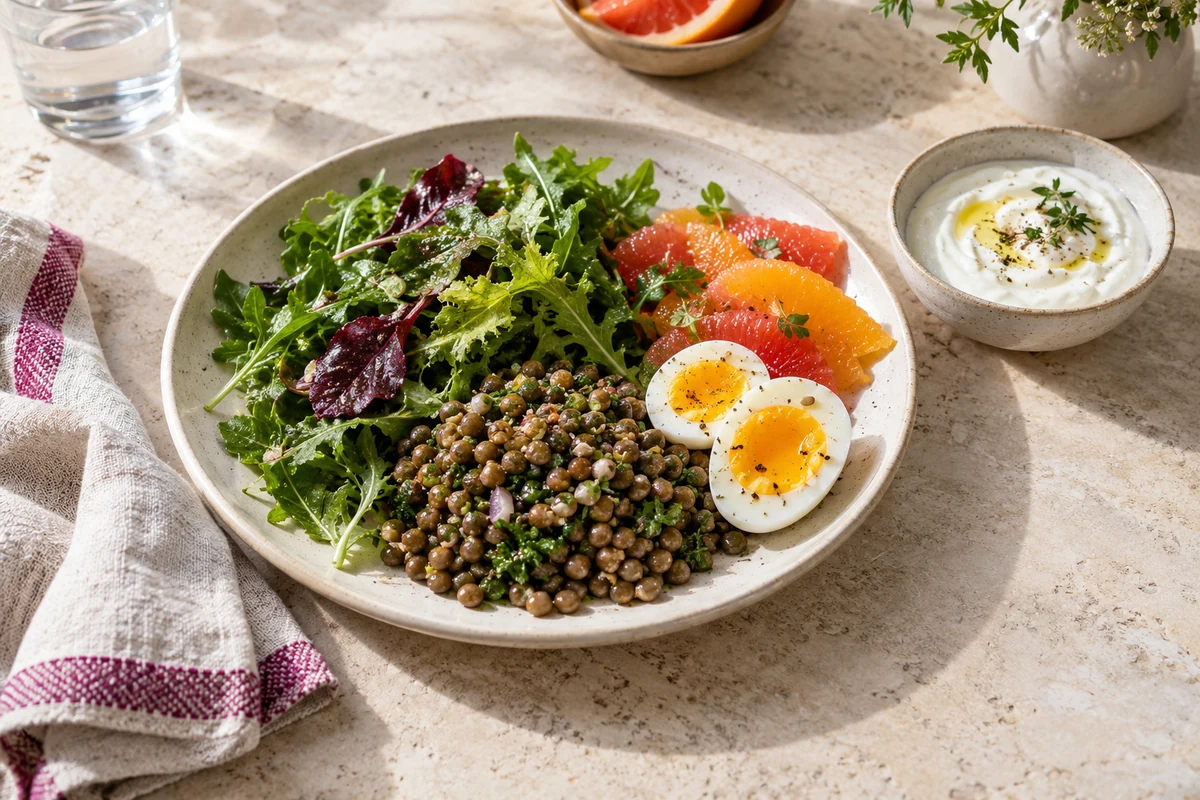
Not every useful ingredient story begins with a new discovery. Familiar nutrients have important, well-described functions.
- 01
Iron and oxygen transport
Iron is a component of haemoglobin, the protein that carries oxygen in red blood cells. This established role is a useful starting point for understanding iron-related nutrition discussions and why individual iron status matters.
- 02
Folate and cell division
Folate participates in one-carbon transfer reactions involved in making DNA and RNA. Its role in normal cell division explains why it appears in nutritional conversations across different life stages.
- 03
The full dietary picture
An ingredient's role is one piece of a broader nutrition picture. Reading a formula alongside meals, other supplements and personal circumstances helps turn general education into a more focused conversation about an individual routine.
Explore further
Choose the depth that suits your question.
Our science pages connect concise explanations with the detail needed for a more careful reading.

- 01
The ingredient library
Browse materials by their role in the scientific conversation: skin structure and moisture, cellular research, or foundational nutrition. Each entry introduces the name and points towards the relevant source.
- 02
Reading research
Learn to identify the preparation, study population, duration and outcome. These simple questions help explain why two papers on a similarly named ingredient may tell different stories.
- 03
Product context
Return to the relevant product page for the exact formula and serving information. The library explains ingredients; the product page brings those names together in the context of a specific edition and format.
A closer look
Your questions, answered.
What is the difference between an ingredient role and a study result?
An ingredient role describes a biological function or context. A study result describes what researchers measured under particular conditions, such as a defined preparation, daily amount, participant group and study duration.
Where should I begin if the terminology is unfamiliar?
Start with the ingredient library. It introduces names in plain language and groups related topics together, with links to fuller references.
Read further
References & further reading.
- Collagen tripeptide trial · Tak et al., Frontiers in Medicine, 2021
- Rice-derived glucosylceramide trial · Functional Foods in Health and Disease, 2021
- Vitamin C · NIH Office of Dietary Supplements
- NMN and muscle insulin sensitivity · Yoshino et al., Science, 2021
- Ergothioneine uptake in humans · Cheah et al., 2017
- PQQ and skin measurements · Nakano et al., 2015
- Iron · NIH Office of Dietary Supplements
- Folate · NIH Office of Dietary Supplements