
POST-AESTHETIC CARE
DermaShield
Care does not end
at the surface.
A daily beauty-nutrition ritual with collagen peptides, a rice-derived ceramide ingredient and complementary nutrients. Explore skin structure, moisture and elasticity, alongside your practitioner’s recommended care.
- Collagen peptides + complementary ingredients
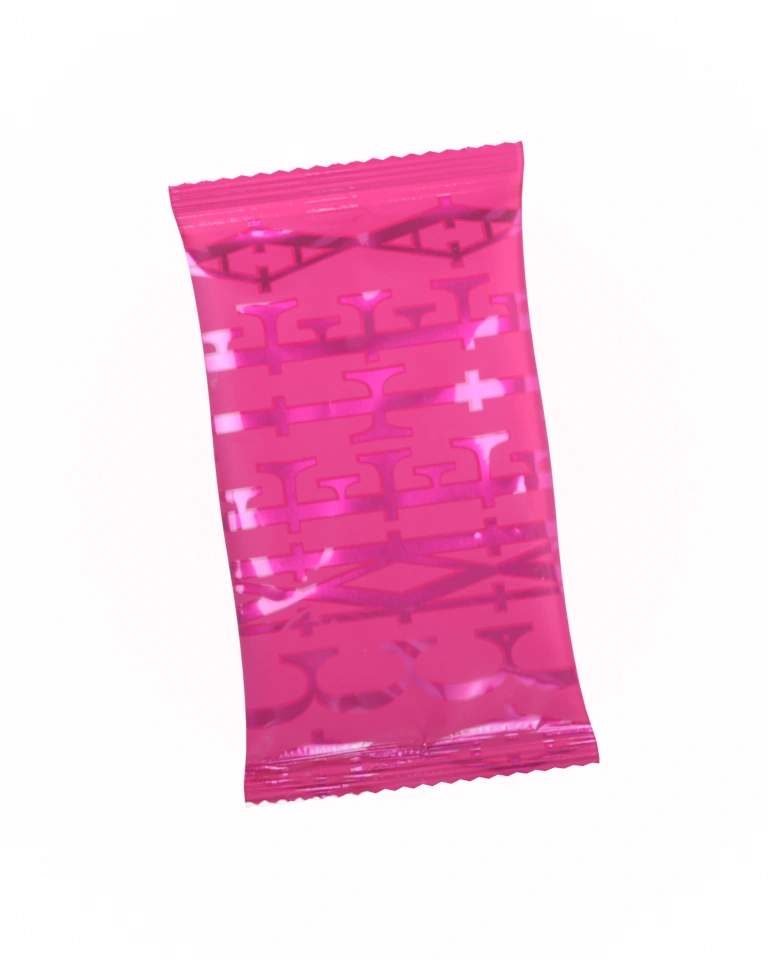
- 16 individually packed 13 g sachets
- 1–2 sachets per day in total
SKIN SCIENCE, MADE PERSONAL
The skin matrix. The moisture barrier. A fuller formula story.
DermaShield brings the nutritional side of post-aesthetic care into focus through four ingredient stories: collagen and NAG, fish elastin, proteoglycans and rice-derived lipids. Each has its own identity, biological role and research pathway.
Collagen peptides + NAG
Structural protein meets the amino-sugar chemistry of hyaluronic acid.
EXPLORE THE INGREDIENT STORYFish-derived elastin peptides
A second structural protein, with a different role: stretch and recoil.
EXPLORE THE INGREDIENT STORYProteoglycans: beyond protein alone
A protein core and sugar chains reveal another dimension of skin-matrix science.
EXPLORE THE INGREDIENT STORYRice-derived glucosylceramides
A plant-lipid perspective on the skin’s moisture barrier.
EXPLORE THE INGREDIENT STORYExplore skin structure, moisture and elasticity through the science of individual ingredients.
INSIDE THE FORMULA
More than
one ingredient.
Get to know the different roles of peptides, barrier lipids and water-binding molecules.
Ingredient & nutrition details ↓Explore the research ↗
Collagen peptides & tripeptides
Short chains of collagen amino acids, including three-amino-acid tripeptides. Selected oral preparations have been studied for elasticity and skin-water measures.
Explore the ingredient
The structure behind skin.
Collagen gives skin much of its underlying strength. Peptides are shorter chains of its amino acids; a tripeptide contains just three.
Specific oral peptide preparations have been studied for skin quality. One tripeptide trial found lower water loss in its climate-adjusted analysis, while the unadjusted comparison was not significant. A separate peptide trial reported improved elasticity; the studies offer distinct views of skin's moisture and structure.
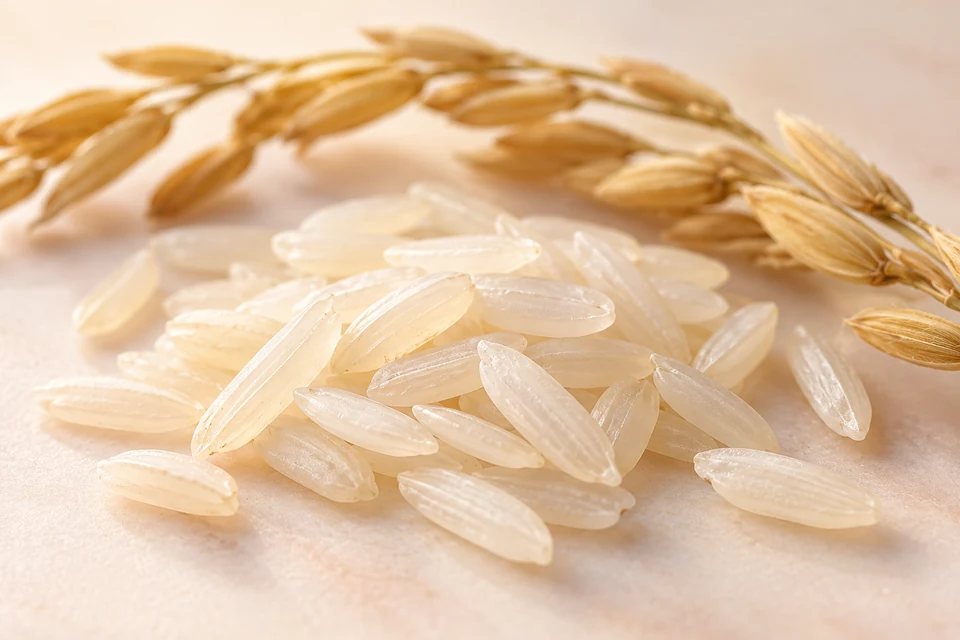
Rice-derived ceramide ingredient
Ceramides are part of skin’s moisture barrier. Rice-derived glucosylceramides have been investigated in oral studies of dry, intact skin.
Explore the ingredient
A closer look at moisture retention.
Ceramides are part of the lipid layer that helps skin hold on to moisture. Rice-derived glucosylceramides bring a nutritional perspective to this barrier science.
In a controlled study of women with dry skin, an oral Oryza Ceramide rice extract reduced water loss from the cheeks. The study brings a plant-lipid perspective to the science of moisture retention.
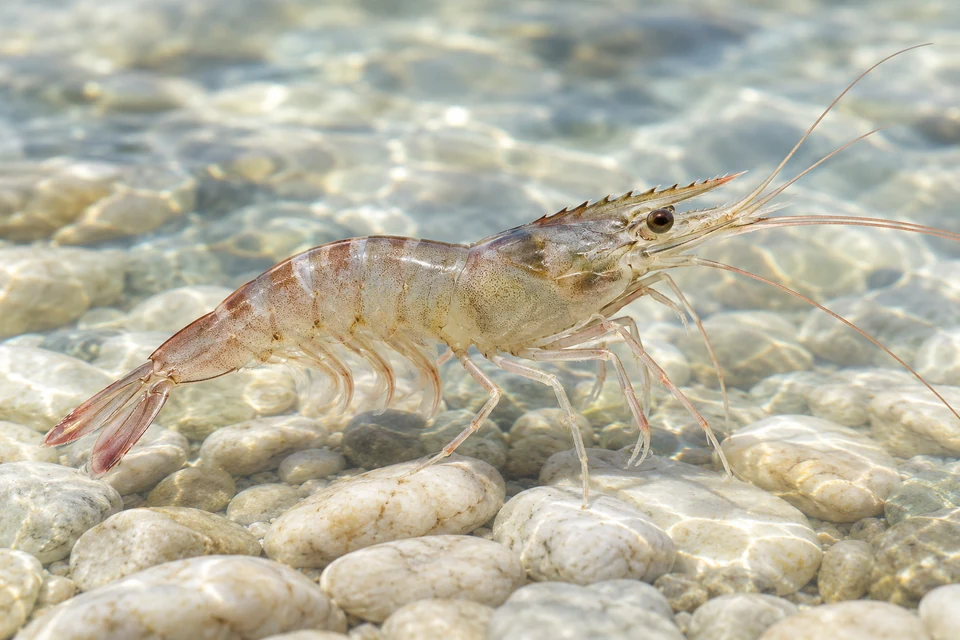
N-acetyl-D-glucosamine (NAG)
An amino sugar found in hyaluronic acid’s repeating structure. Laboratory research explores its relationship with hyaluronan production in skin cells.
Explore the ingredient
The chemistry of skin hydration.
NAG is an amino sugar found in the repeating structure of hyaluronic acid, a molecule known for its ability to bind water.
Laboratory work has explored how NAG relates to hyaluronan production in skin cells. This gives a closer look at the molecular building blocks behind skin's water-binding environment; the linked source describes the cell experiments.

Fish-derived elastin peptides
Fish-derived elastin peptides introduce the protein behind tissue stretch and recoil. A specific preparation has been studied for skin hydration and wrinkle measurements.
Explore the ingredient
Skin has a flexible side.
Elastin is the structural protein that allows tissues to stretch and recoil. Alongside collagen, it helps explain the architecture behind skin elasticity.
DermaShield contains fish-derived elastin peptides. A separate 12-week trial of a specific fish-derived preparation examined skin hydration and wrinkle measurements in healthy adults. Explore the study preparation, population and results in the research notes.
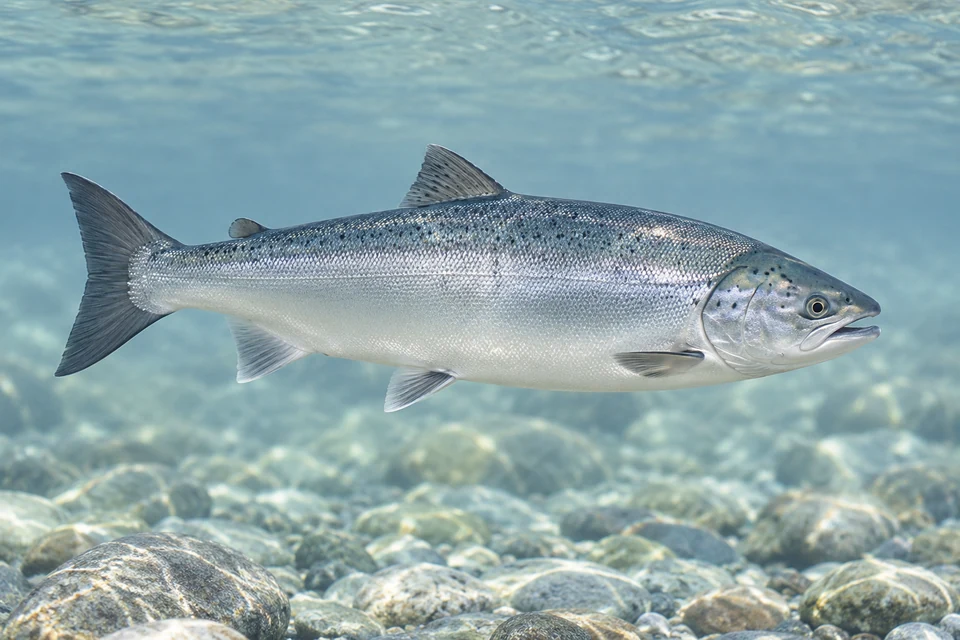
Proteoglycans
A protein core with long sugar chains. Proteoglycans form part of the water-binding environment around connective tissue’s structural fibers.
Explore the ingredient
Where structure meets water.
Proteoglycans combine a protein core with long sugar chains. In connective tissue, these molecules are part of the water-binding environment around structural fibers.
A supplier-led human trial of a salmon-cartilage preparation reported improvements in hydration and elasticity. Explore the study for its preparation, skin measurements and study context.

Casein hydrolysate
A milk-derived protein ingredient. Specific hydrolysates have been studied for everyday stress measures, a wellbeing topic separate from skin repair.
Explore the ingredient
Make room for a quieter routine.
Beauty care includes time to pause. Hydrolyzed milk protein can contain alpha-casozepine, a small peptide investigated in research on everyday stress.
A controlled trial of an Ingredia casein hydrolysate reported changes in several stress-related questionnaire measures. This ingredient adds an everyday-wellbeing perspective to the routine. Casein is milk-derived and is not suitable for people with a milk-protein allergy.
Ingredient selection
Peptide ingredients, fructo-oligosaccharides, fruit and vegetable enzyme powder, oligosaccharides with N-acetylglucosamine, casein hydrolysate, fish-derived elastin peptides, proteoglycans and a rice-derived ceramide ingredient.
A selection of ingredients. Read your current pack for the complete ingredient list.
Nutrition information
| Nutrient | Amount |
|---|---|
| Energy | 364 kcal |
| Protein | 40.4 g |
| Total fat | 4.8 g |
| Trans fat | 0 g |
| Carbohydrate | 39.9 g |
| Total sugars | 0 g |
| Sodium | 28 mg |
Values per 100 g are not amounts per sachet or per day.
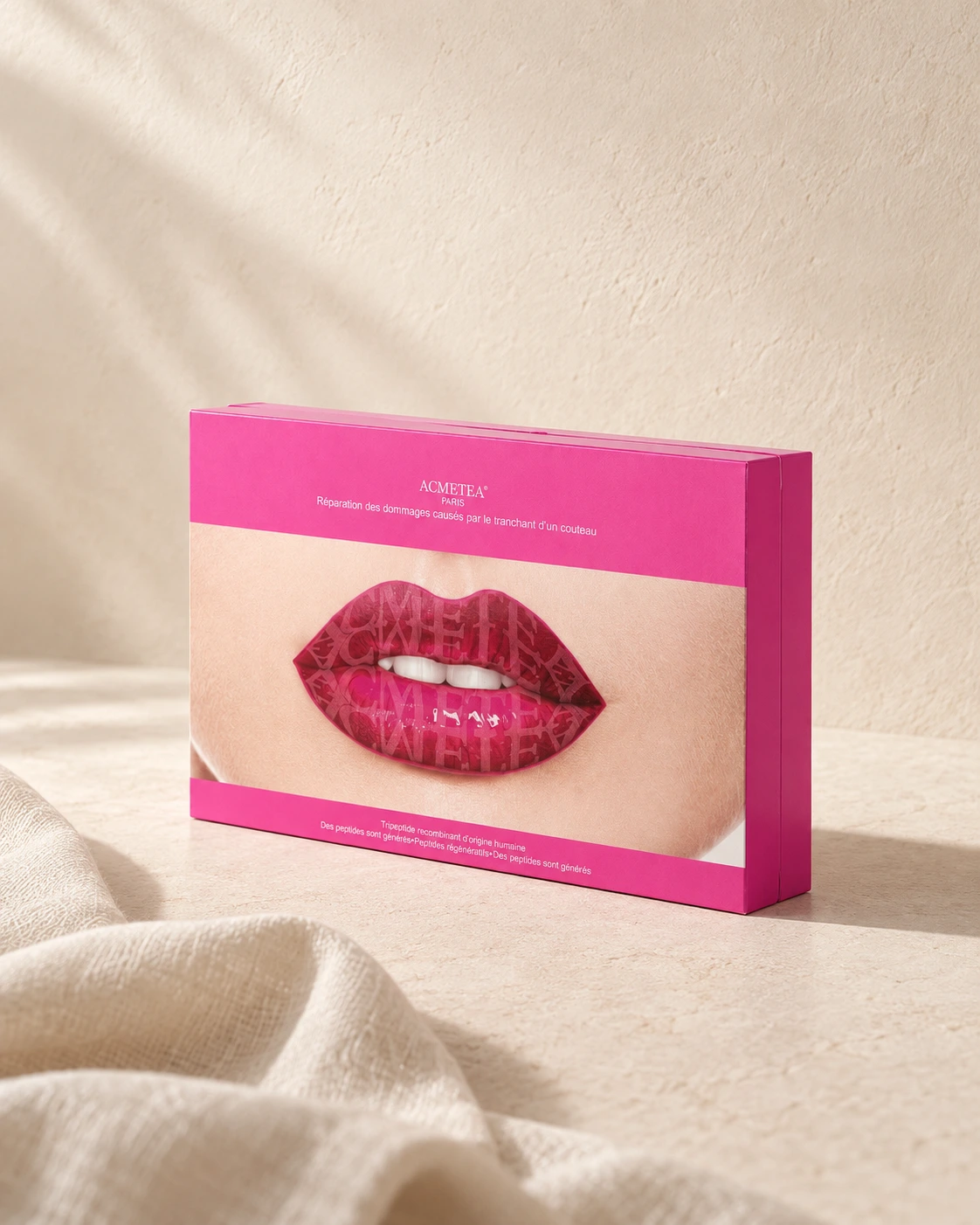
A CONSIDERED DAILY RITUAL
Make care
part of your day.
1–2 sachets per day, in total.
Follow the preparation instructions on your current pack. Do not exceed the recommended daily amount or combine full daily servings of several products without professional advice.
Before you begin
Contains milk-derived casein hydrolysate. Not suitable for people with a milk-protein allergy. Contains other animal-derived ingredients and is not vegan. If you have a fish or shellfish allergy, check your current pack and seek advice before use.
Ask a qualified healthcare professional before use if you take medication, have a medical condition, are pregnant or breastfeeding, or are planning pregnancy. After a procedure, follow your treating clinician’s instructions on when to start or resume supplements.
Not suitable for infants and young children. Food supplements do not replace a balanced diet, a healthy lifestyle, medical treatment or prescribed aftercare.
Pack size & storage
208 g per box; 16 sachets of 13 g each.
Store tightly sealed in a cool, dry place. Do not refrigerate, to avoid condensation.
Shelf life: 24 months. Check the date on your pack.
POST-AESTHETIC CARE
Find your care perspective.
From everyday skin care to the moments around an aesthetic procedure. Your clinician remains your guide to aftercare.
YOUR CARE PERSPECTIVE
DermaShield
DermaShield brings the nutritional side of post-aesthetic care into focus through four ingredient stories: collagen and NAG, fish elastin, proteoglycans and rice-derived lipids. Each has its own identity, biological role and research pathway.
Collagen peptides + NAG
Structural protein meets the amino-sugar chemistry of hyaluronic acid.
Why this ingredient
Collagen peptides and N-acetyl-D-glucosamine offer two distinct ways to explore the skin matrix: protein fragments on one side, a component of hyaluronic acid on the other. Discover how peptide nutrition and amino-sugar biology bring different questions to the study of skin structure and moisture.
Fish-derived elastin peptides
A second structural protein, with a different role: stretch and recoil.
Why this ingredient
Collagen and elastin are not interchangeable. Elastin contributes to the flexibility of connective tissue. Research on a specific oral fish-elastin preparation has examined hydration and wrinkle measurements, offering a separate ingredient perspective alongside collagen.
Proteoglycans: beyond protein alone
A protein core and sugar chains reveal another dimension of skin-matrix science.
Why this ingredient
Proteoglycans are part of the water-binding environment around structural fibers. A human study of a salmon-cartilage preparation explored hydration and elasticity. Understanding the whole preparation, rather than only its headline ingredient, brings this less familiar topic into focus.
Rice-derived glucosylceramides
A plant-lipid perspective on the skin’s moisture barrier.
Why this ingredient
The outer barrier has a different job from the supporting matrix beneath it. Rice-derived glucosylceramides are studied through measurements such as water escaping from the skin surface. They add a moisture-retention perspective to a peptide-led formula.
Care context & ingredient research
Your practitioner guides the treatment and aftercare. Our focus is the everyday nutrition conversation around it: what skin is made of, how it retains water, and where individual ingredients fit.
Start with collagen peptides for structural-protein science, rice-derived glucosylceramides for moisture-barrier research, and casein hydrolysate for the quieter side of a daily routine.
Explore each ingredient through its study preparation, population and skin measurements. Ask your practitioner when oral supplements are appropriate after a procedure.
A FEW THINGS TO KNOW
Questions,
answered.
Where does DermaShield fit in my care routine?
Think of it as the nutrition part of a wider routine: varied meals, hydration, rest and the skincare your practitioner recommends. After a procedure, ask your practitioner when to start or resume supplements. DermaShield does not replace prescribed treatment or aftercare.
Why explain more than collagen?
Skin is more than one protein. Collagen and elastin relate to its structure, barrier lipids help limit water loss, and water-binding molecules contribute to its surrounding environment. We explain these ingredient topics separately so you can understand their different roles.
How do I take it?
Take 1–2 sachets per day in total, following the preparation instructions on your current pack. Keep to the recommended daily amount. Check with your healthcare professional before use if you take medication, have a medical condition, are pregnant or breastfeeding, or are planning pregnancy.
Is DermaShield suitable for my dietary needs?
The formula contains milk-derived and other animal-derived ingredients and is not vegan. Do not use if you have a milk-protein allergy. If you have a fish, shellfish or another food allergy, review the current pack and complete ingredient information with a qualified professional before use.
SCIENCE, WITH CONTEXT
Go a little deeper.
Seven sources exploring oral ingredients and skin biology. Discover the preparation, study population and findings behind each ingredient story.
For your daily amount, follow the product directions in Your routine.
Randomized, double-blind, placebo-controlled oral ingredient trial · 2021Collagen tripeptides and skin water loss
Randomized, double-blind, placebo-controlled oral ingredient trial · 2014Specific collagen peptides and skin elasticity
Randomized, double-blind, placebo-controlled oral ingredient trial · 2021Rice-derived glucosylceramides and facial moisture loss
Laboratory study, not an oral human trial · 2004N-acetylglucosamine and hyaluronan production in skin cells
Human ingredient trial · 2024Oral consumption of Bonito fish-derived elastin peptide (VGPG Elastin) improves biophysical properties in aging skin: A randomized, double-blinded, placebo-controlled study
Randomized, double-blind, placebo-controlled oral ingredient trial · 2025A salmon-cartilage preparation and facial skin quality
Randomized, double-blind, placebo-controlled crossover oral trial · 2007Milk-protein hydrolysate and everyday stress measures
INGREDIENT INNOVATION
A closer look at
the technology.
Explore published patent documents relating to selected ingredients in this formula.
Patent documents describe inventions and their scope. Human ingredient studies are presented separately in the research section.
Lactium® · milk-derived peptidesFrom milk protein to a defined peptideEP0714910B1 · Historical patent · 1999
Lactium® is a milk-protein hydrolysate developed by Ingredia. Its research history includes the identification of a ten-amino-acid fragment of alpha-s1 casein, known as alpha-casozepine. This foundational patent describes that peptide and hydrolysates containing it.
- Named applicant
- S.C.A. Laitière d’Artois et des Flandres
European grant published in 1999, presented as a historical ingredient-technology reference.
READ THE PATENT DOCUMENTORYZA CERAMIDE · rice-derived lipidsRice lipids and ceramide biologyJP6723737B2 · Supplier research reference
In its research on rice-derived lipids, Oryza examined beta-sitosterol glucoside in relation to a gene involved in the skin’s ceramide pathway. The patent describes this ingredient-level work in a cultured human epidermal model.
- Named applicant
- Oryza Oil & Fat Chemical Co., Ltd.
Supplier research reference for the rice-derived ORYZA CERAMIDE ingredient family.
READ THE PATENT DOCUMENTTHE INGREDIENT JOURNAL
A little more understanding.
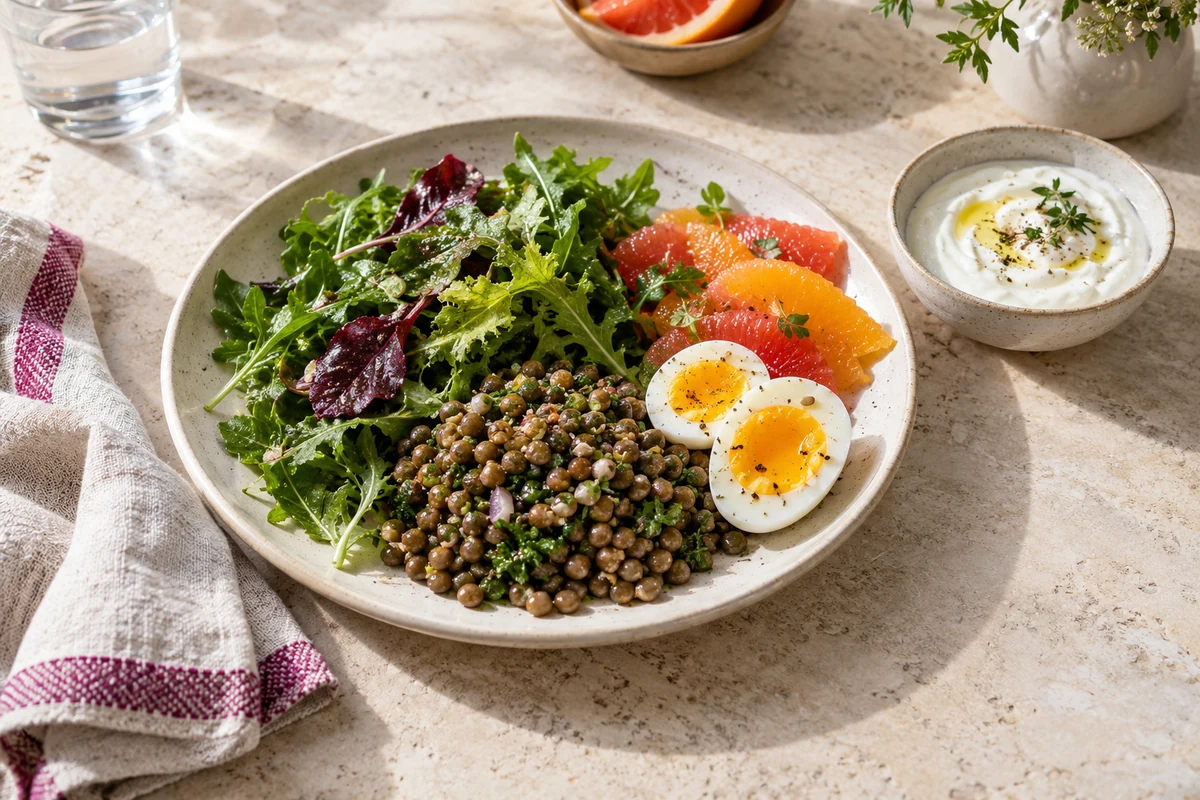
Nutrition around aesthetic care: where collagen fits
A practical guide to meals, collagen research, supplement timing and the questions to discuss with your practitioner before and after aesthetic care.
READ ARTICLE ↗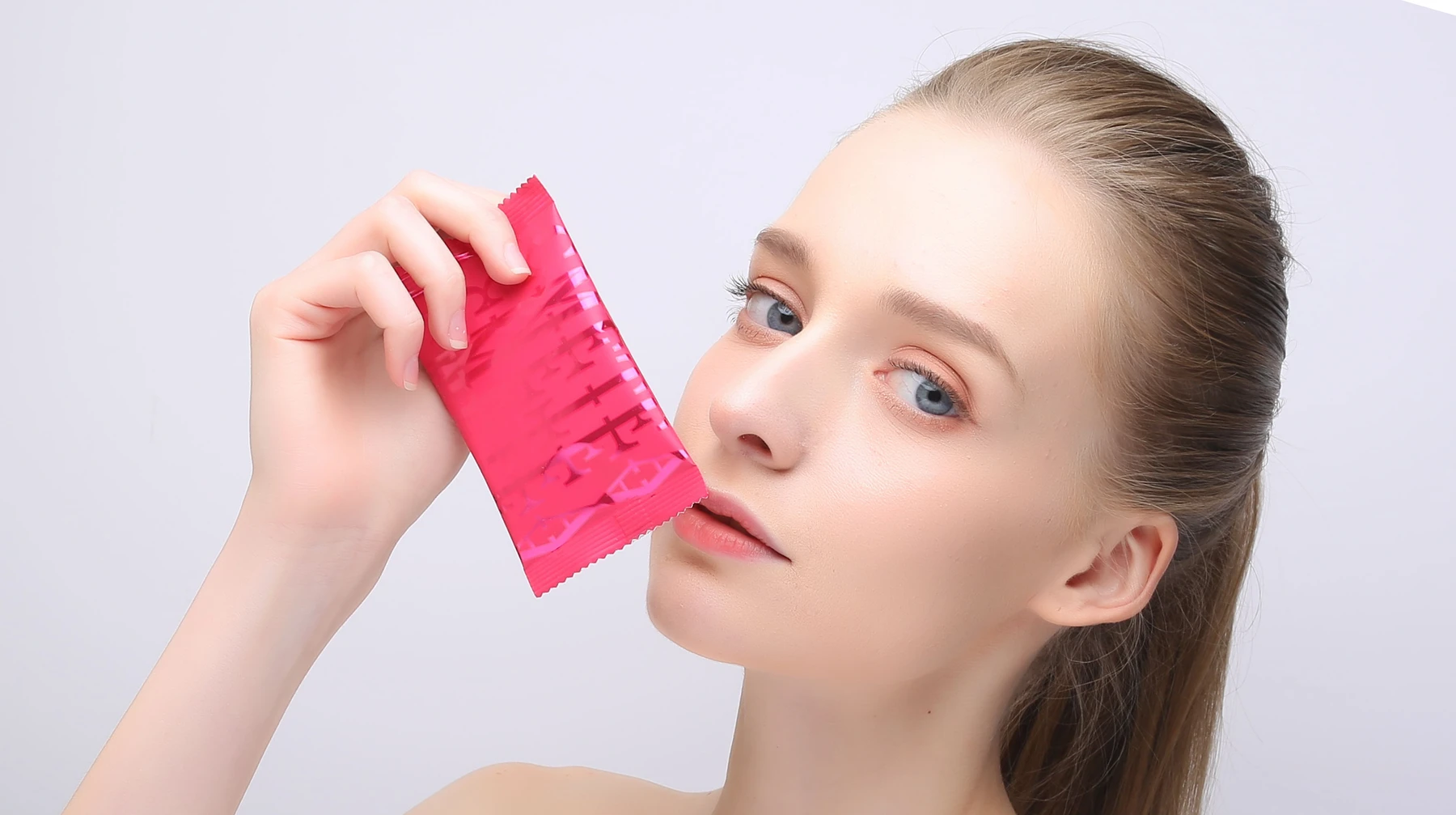
Collagen peptides: a closer look at skin nutrition
What collagen peptides are, how skin studies measure change, and where collagen fits into a daily beauty routine.
READ ARTICLE ↗NAG and skin hydration: a building block worth understanding
What N-acetyl-D-glucosamine is, how it relates to hyaluronic acid, and why cell, topical and oral research must be distinguished.
READ ARTICLE ↗Fish elastin peptides: the flexible side of skin nutrition
How fish-derived elastin differs from collagen, what oral studies measure, and how to read the evidence behind a skin-nutrition ingredient.
READ ARTICLE ↗