What is ergothioneine?
Ergothioneine is a naturally occurring sulfur-containing compound found in foods including mushrooms. Human studies show that it is absorbed and retained in the body. Researchers are exploring its relationship with oxidative stress and skin, using both purified ergothioneine and specific food preparations.
An ingredient with a distinct identity
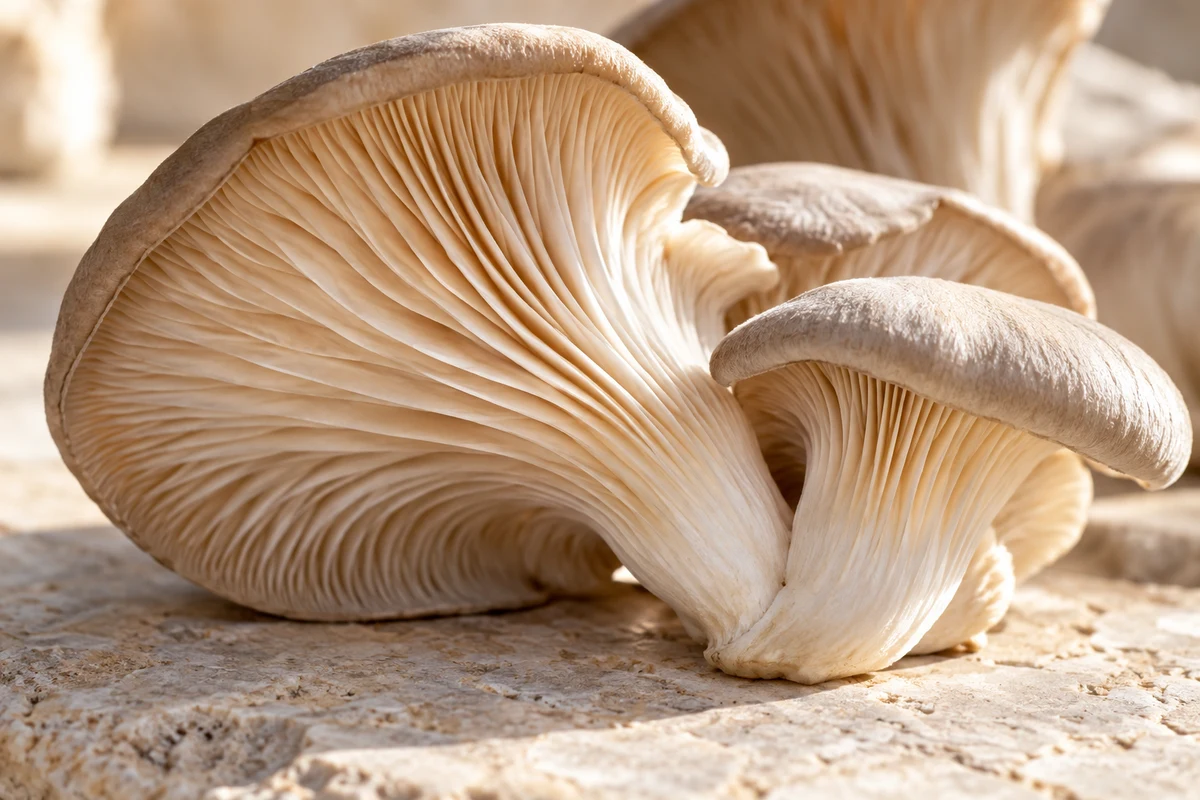
Ergothioneine is often shortened to EGT or ET. Its long name can make it sound unfamiliar, yet its story begins with the natural world and ordinary foods. Mushrooms are a well-known dietary source. The molecule has attracted research interest because the body takes it up and retains it, prompting questions about how it participates in normal physiology.
In a formula, the ingredient deserves its own explanation rather than a general antioxidant label. What form is present? How much is supplied? Was the research conducted with the purified compound or a whole-food preparation? These questions make a cellular-wellbeing story both more interesting and more informative.
What human uptake research tells us
Cheah and colleagues gave healthy men either 5 mg or 25 mg of purified ergothioneine daily for seven days, with follow-up over the next four weeks. Blood concentrations increased and urinary loss was low. The study demonstrated uptake and retention. Most changes in the measured oxidative-damage and inflammation markers were not statistically significant.
That distinction gives the paper its value. Absorption is an important biological observation in its own right. It helps researchers design later work with a clearer understanding of exposure and timing. It also encourages readers to distinguish the presence of an ingredient in the body from a particular change they hope to feel or see.

The emerging skin-nutrition connection
A 2024 randomized trial tested an ergothioneine-rich hiratake mushroom preparation in women over twelve weeks. The daily preparation supplied 25 mg of ergothioneine. Among 77 participants included in the analysis, the active group had higher temple moisture at week eight and improvements in selected facial-image measurements later in the study. Transepidermal water-loss results did not show a significant between-group benefit.
This was a mushroom-preparation trial. The food contained components besides ergothioneine, and the researchers discussed that complexity. It offers a useful direction for further skin research while reminding us to keep the studied preparation attached to the result.

Natural origin and manufacturing route
Ergothioneine occurs naturally in foods such as mushrooms. Dietary sources, commercial production routes and chemical identity describe different aspects of an ingredient. The presence of a compound in food does not mean that every supplement containing it is made directly from that food.
Some ergothioneine ingredients are produced through controlled processes such as fermentation or biosynthesis. When comparing products and research, look at the exact ingredient declaration, the preparation where specified, and the daily amount. These details help distinguish a purified ingredient from a whole-mushroom preparation.
Where ergothioneine fits in a formula
Ergothioneine appears in ACMETEA's ingredient conversations about cellular wellbeing and beauty from within. W+ACME provides a sachet-based route into that collection; W+NMN Black Gold brings a different capsule formula and a different daily direction. Their product pages should be read individually, including every accompanying ingredient, rather than compared by the presence of one familiar name.
A useful routine begins with a single clear purpose and an accurate serving. Record the products you already take and compare overlapping ingredients before adding another formula. The strongest reason to understand ergothioneine is not to make a daily routine more complicated. It is to make the ingredient choices within that routine more deliberate.

Your questions, answered.
Is ergothioneine the same ingredient as NMN?

No. They are distinct compounds with different research histories. NMN is discussed in relation to NAD+ metabolism; ergothioneine research includes dietary uptake, retention and oxidative-stress-related measurements.
Does a mushroom trial describe all ergothioneine products?
The preparation matters. Mushroom tablets contain a food matrix, whereas a purified-ingredient trial tests a different material. Keep the study's daily amount, format and participants together when comparing results.
Is a higher number always the better choice?
A larger amount is only a larger amount. Compare the complete formula, its instructions and the study question. Discuss suitability with a clinician if you take medication, are pregnant or breastfeeding, or have a medical condition.
Explore the sources.
- Human intervention study · Antioxidants & Redox SignalingCheah et al. (2017) — Ergothioneine uptake and metabolism in humans
- Randomized human trial · Frontiers in MedicineHanayama et al. (2024) — Ergothioneine-rich mushrooms and skin