How to read a formula, ingredient by ingredient
Read a formula in four steps: identify each ingredient, establish the daily serving, distinguish an extract from its constituents, and connect the ingredient to the relevant research. A short, accurate description is more useful than a long list of impressive names.

Start with the name that identifies the material
A formula can contain familiar food names, technical ingredient names and trade names on the same line. Each serves a different purpose. A botanical name identifies a plant; an extract description explains a prepared material; a trade name identifies a particular commercial ingredient. Reading all three together gives a more complete picture than selecting whichever name sounds most appealing.
Begin by making a simple ingredient list in your own words. Keep the original technical name beside your explanation so that you can return to the label or search for a paper later. For an animal-derived ingredient, its source may also be relevant to allergies and dietary preferences. For a plant extract, the part used can help distinguish one material from another.

Put every amount on the same daily basis
A comparison becomes meaningful only when the numbers use the same serving. One product may give a quantity per capsule, another per two capsules and another per sachet. Establish the recommended daily use before deciding which contains more of a particular ingredient. The physical weight of a capsule or sachet also includes materials beyond the named ingredient you are comparing.
Make the arithmetic visible. If one capsule contains 250 mg of an ingredient and the daily serving is two capsules, the daily amount is 500 mg. If a pack contains 100 capsules, the pack total serves another purpose: it describes the complete quantity supplied. None of these numbers needs to compete; they simply answer different questions.
Further reading
FDA — Dietary Supplement Labeling Guide: Nutrition LabelingSeparate the extract from the constituent
An extract is often a mixture. A figure beside an extract name may describe the whole prepared material, while another figure describes a particular constituent within it. For example, the rice-ceramide trial discussed in this journal used 40 mg of a prepared ingredient supplying 1.2 mg of glucosylceramides. Reading only the larger number would miss an important part of the formula description.
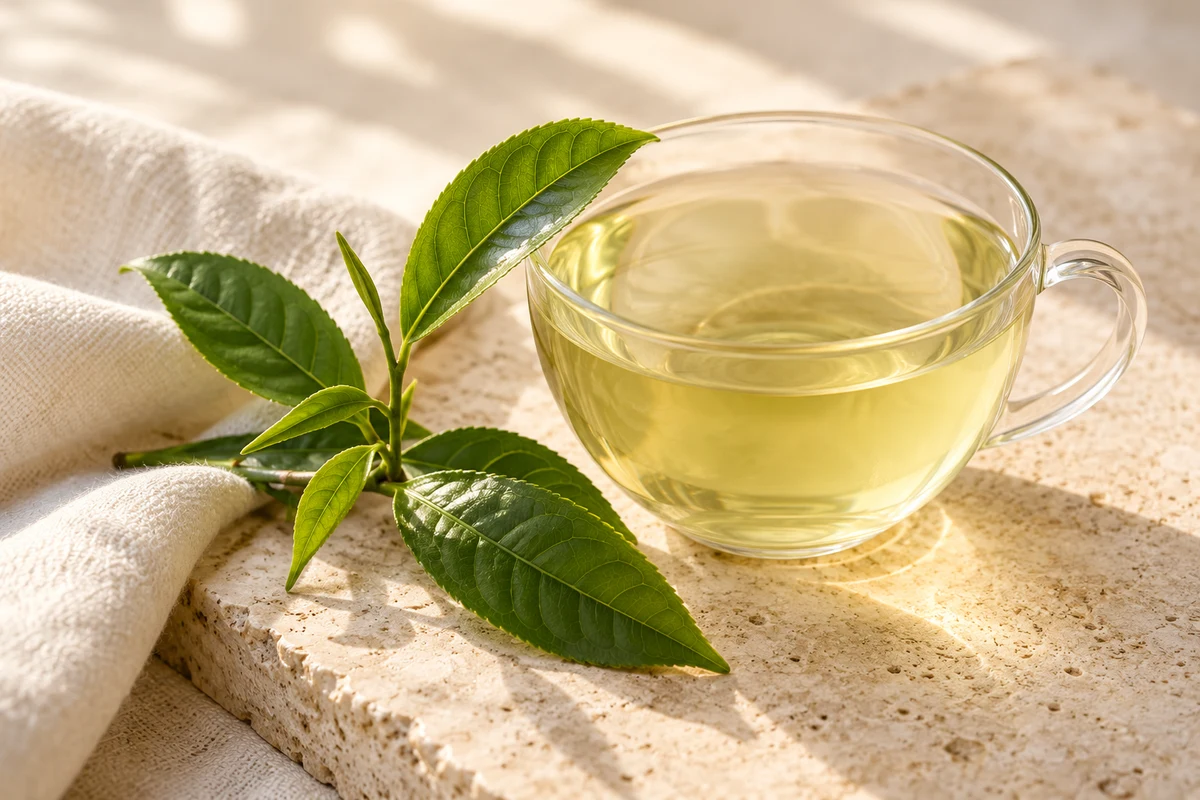
The same habit is useful across botanical ingredients. A stated amount of green tea extract is not automatically the amount of EGCG. A mineral-containing raw material is not automatically the same weight of elemental mineral. Look for a separate constituent or nutrient declaration before doing a comparison or translating the figure into a daily intake.
Understand each ingredient's place in the formula
A formula can bring together ingredients with different nutritional roles. In a skin-focused product, that may invite discussion of protein, barrier lipids and supporting nutrients. In a cellular-care formula, the questions may concern particular metabolites or botanical preparations. The useful explanation is the one that tells you what each ingredient contributes to the formulation concept.
The most useful formulation story gives each ingredient a clear place. Start with the role of the individual materials, then look at how the complete preparation is described. If research on the combination is available, read that alongside the ingredient papers. This keeps the formula understandable without flattening all of its parts into one slogan.

Turn the label into a useful personal checklist
Keep a note of the product name, edition, daily serving and ingredients that overlap with anything else you take. Add any known allergies and the time you usually use it. This turns a formula from a block of small print into something you can discuss and follow. It is especially useful when a product is refreshed or its packaging changes.
Then choose one ingredient question to explore in more depth. If your interest is skin moisture, begin with the rice-ceramide article. If it is collagen, look at the peptide guide. If it is NMN, compare the molecule introduction with the dose guide. Building understanding one clear question at a time is more useful than trying to decode every ingredient at once.

Your questions, answered.
Does the first ingredient always tell me the dose?

Ingredient order and amount declarations serve different purposes, and labels vary by market and format. Use the explicit quantity and serving information for dose comparisons rather than calculating a quantity from position in a list.
What should I do if only an extract weight is listed?
Record it as an extract weight. Look for a specification or constituent declaration if you need more detail, and keep the two quantities separate when comparing the product with a study.
Which ACMETEA information should I read first?
Start with the main product page's ingredient list and directions, then use The collection for the care perspective that interests you. The journal provides background explanations for the ingredients themselves.
Explore the sources.
- Official US label referenceFDA — Dietary Supplement Labeling Guide: Nutrition Labeling
- Randomized human trial · Functional Foods in Health and DiseaseTakara et al. (2021) — Rice-derived glucosylceramides and facial water loss