What is spermidine? Autophagy, food and human evidence
Spermidine is a naturally occurring polyamine found in living cells and foods. It is studied for its relationship with cellular processes including autophagy. Laboratory findings explain the research interest, while human studies range from dietary associations to a controlled memory trial that did not meet its primary endpoint.
A polyamine within normal biology
Polyamines are small molecules carrying several amino groups. Spermidine belongs to this family, alongside putrescine and spermine. The names describe chemistry, not a particular organ or a gender-specific role. Cells regulate polyamine production and breakdown as part of their normal biology. Spermidine also enters discussions of nutrition because it occurs in foods and can be supplied in extracts. The useful question is not simply whether a substance is natural, but what preparation and quantity were studied and what outcome was actually measured.
Further reading
Eisenberg et al. (2009): spermidine and autophagy in modelsAutophagy is controlled recycling
Autophagy is a set of processes through which cells break down and reuse cellular material. It is often described as housekeeping, but it is not a simple on-off detox switch. A 2009 experimental study linked spermidine with autophagy-related changes and longevity in several model systems. That work helped establish a mechanism worth investigating. It did not show that an oral consumer product produces a defined amount of autophagy in human skin or adds years to human life. Model organisms make biological pathways easier to test; they do not remove the need for clinical measurement.

Further reading
Eisenberg et al. (2009): spermidine and autophagy in modelsWhat dietary associations can tell us
In a prospective population study published in 2018, researchers used repeated food questionnaires to estimate dietary spermidine intake and followed mortality over time. Higher estimated intake was associated with lower mortality after statistical adjustment. Such a study examines a pattern of eating within real lives, not an assigned spermidine supplement. Foods contain many other constituents, and people with different diets may also differ in activity, health and social circumstances. Adjustment helps, but cannot eliminate all alternative explanations. The association is a reason to investigate, not a supplement dosage recommendation.
Further reading
Kiechl et al. (2018): dietary spermidine and mortalityThe year-long SmartAge trial
The 2022 SmartAge trial randomly assigned 100 adults aged 60–90 with subjective cognitive decline to a wheat-germ extract or placebo. The extract supplied 0.9 mg spermidine daily for 12 months; 89 participants completed the study. The primary memory measure did not improve significantly compared with placebo, and the reported secondary outcomes were also not significantly different. This is an important result because it tests a human outcome under a controlled design. Exploratory findings cannot replace that primary result, and the paper disclosed spermidine-related commercial or patent interests among authors.

Further reading
Schwarz et al. (2022): the SmartAge trialAn extract is more than one molecule
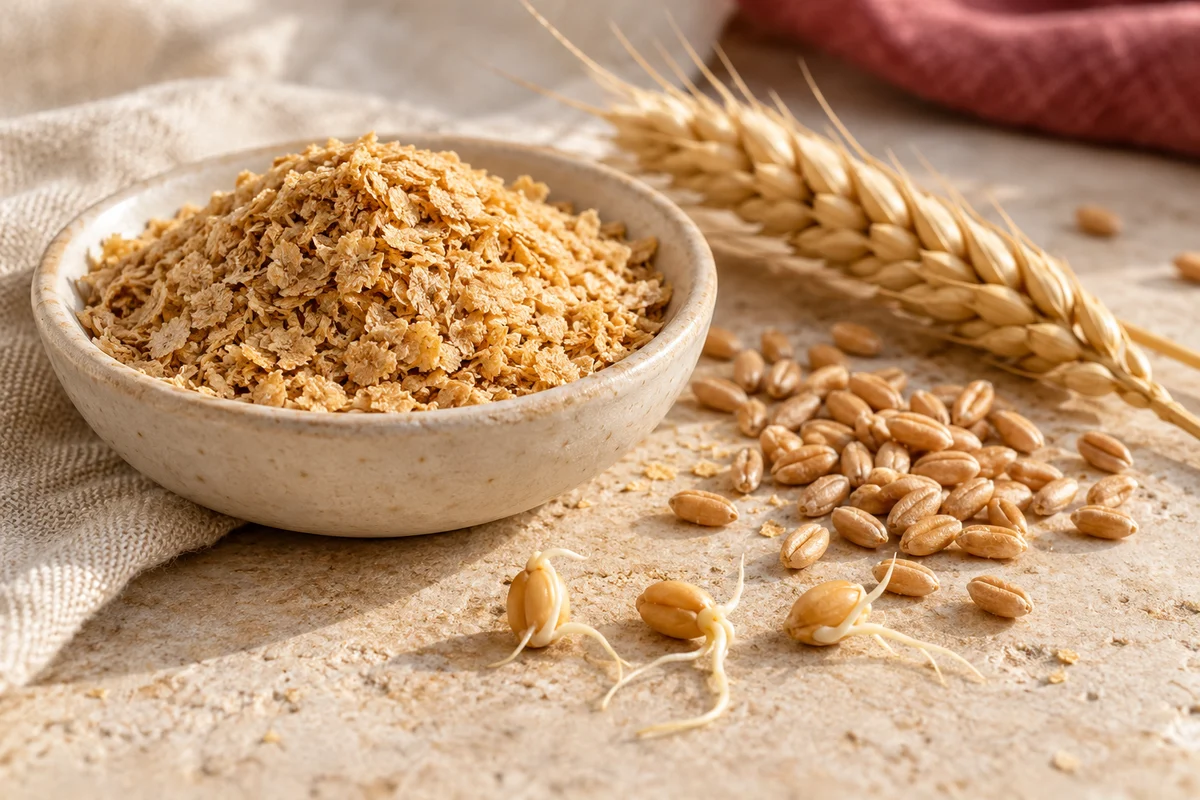
A wheat-germ extract can contain constituents beyond spermidine. Its total weight is therefore different from the amount of spermidine it supplies. The same distinction applies to food tables, which estimate the compound within a food rather than describe a purified dose. W+ACME and Purity Magic include spermidine as part of broader formulas; the SmartAge preparation should not be treated as their specification. When reading a label or study, identify the source material, the quantified compound, the serving size and any relevant allergens before comparing numbers.
Further reading
Schwarz et al. (2022): the SmartAge trialWhere this leaves a daily routine
Spermidine offers a clear example of why nutrition science needs several kinds of evidence. Mechanistic experiments explain plausibility, population studies identify associations, and randomised trials test an intervention. None should be silently substituted for another. A considered routine can remain curious about new ingredients while keeping food variety, movement, sleep and appropriate care in view. Do not use an autophagy headline to justify fasting, increasing a supplement dose or combining overlapping formulas. If a medical condition, medication, pregnancy or breastfeeding is involved, seek advice suited to your situation.
Your questions, answered.
Does the SmartAge result mean spermidine has no biological role?

No. It means that this preparation and dose did not improve the trial's primary memory outcome over placebo. Normal biology and clinical benefit are different questions.
Is autophagy the same as detoxification?
No. It describes regulated cellular breakdown and reuse, not a general cleansing claim.
Explore the sources.
- Mechanistic model experimentsEisenberg et al. (2009): spermidine and autophagy in models
- Prospective observational studyKiechl et al. (2018): dietary spermidine and mortality
- Randomised human trialSchwarz et al. (2022): the SmartAge trial