Product quality: how the information fits together
Product quality information answers several different questions: what is in the formula, how ingredients are described, how the product is made and what has been measured. Read each document in relation to its named product, material or batch.

Start with the product in front of you
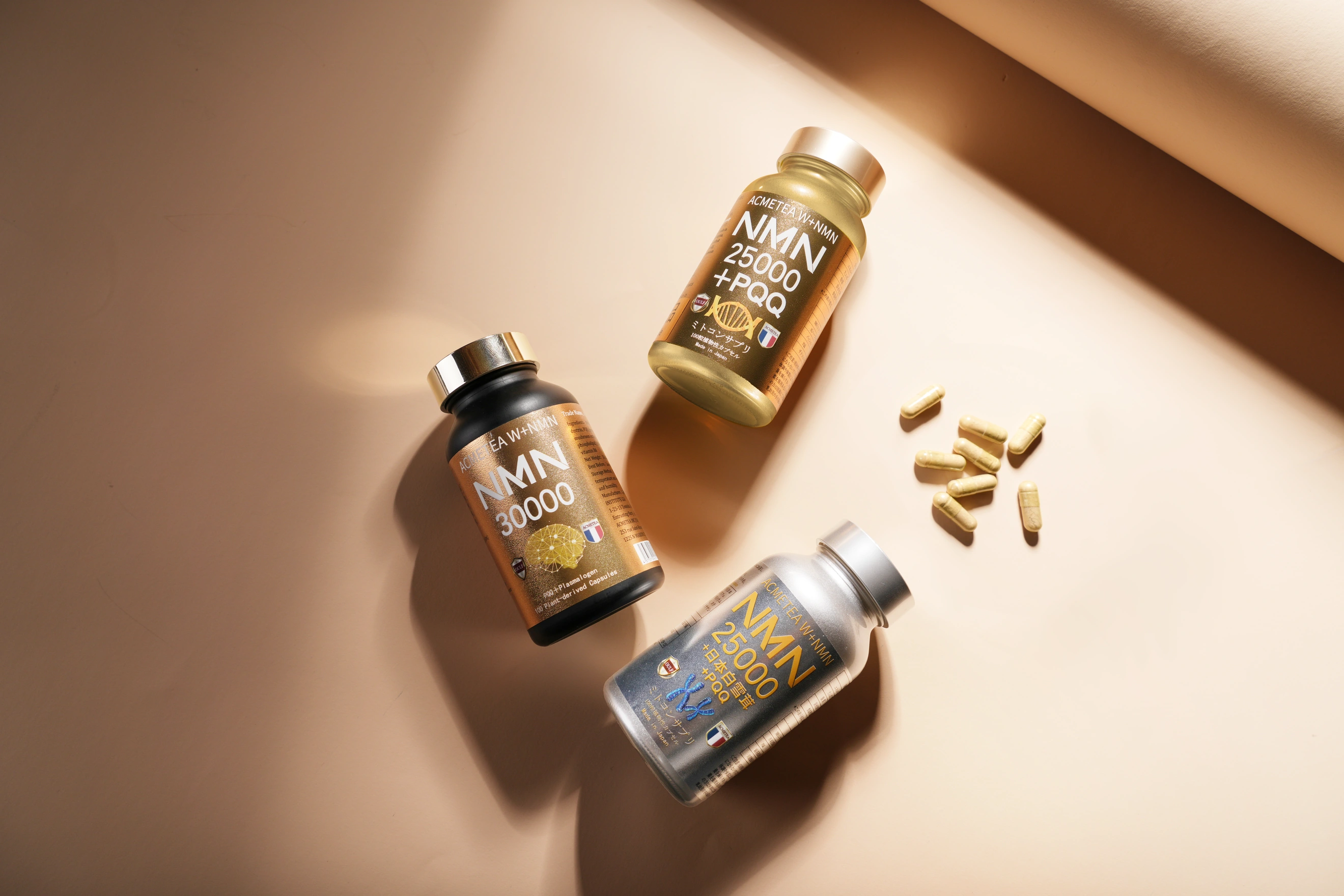
The product name, edition, format and pack size identify the item you are considering. Its complete label provides the starting point for understanding the ingredients, amounts and directions.
A photograph helps you recognise the packaging, while the label gives the details of the formula. If the packaging looks different, compare the ingredient list, serving information and pack size to see what has changed.
Understand the ingredient behind the name
An ingredient specification describes a particular material. Depending on the ingredient, it may identify the source, prepared form, constituent profile and supplier reference. These details can explain more than the short ingredient name printed on a label.
Different documents offer different perspectives. A specification describes the material, an analytical report gives results for a tested sample, and a research paper investigates a scientific question. Choose the source that addresses what you want to understand.

What manufacturing information describes
Manufacturing information concerns the processes between ingredients and the finished product. The FDA's dietary-supplement manufacturing guidance describes specifications, production records, quality-control review and packaging controls as parts of a connected system.
A statement about a facility, a manufacturing process or an individual product has a different scope. Look at the named business, location and subject to understand exactly what the information covers.

Read measurements in their packaging context
A laboratory report identifies a sample, the tests performed and their results. The issuing laboratory and report date provide further context. A shelf-life or storage assessment also relates to a particular product format and packaging.
A sachet and a bottle may have different storage considerations. Check which packaging was assessed and follow the storage directions on your own product. Our certificate-of-analysis and third-party-testing guides explain the main details to look for in the supporting reports.
Find the information relevant to your question
For composition and directions, begin with the complete product label. For an ingredient's identity or form, look at its specification. For measurements on a sample, read the analytical report. For a scientific finding, follow the original research paper.
When asking about a product, include its name, edition and any relevant batch number. This helps connect your question with the appropriate ingredient information or report.

Your questions, answered.
How do research papers differ from quality reports?

A research paper investigates a scientific question. A specification describes a material, while an analytical report records measurements on a named sample or batch.
What should I check if a formula changes?
Compare the complete ingredient list, amounts, daily directions and pack size for the exact edition. Check that any supporting report concerns the product or batch you are considering.
Where should I begin when learning about a product?
Start with the complete label and the exact product name and edition. Then explore the ingredient information or research relevant to your question.
Explore the sources.
- Official US manufacturing referenceFDA — Dietary Supplement Current Good Manufacturing Practice Guide