Ingredient origins
The story inside an ingredient name.
Ingredients can begin with plants, marine materials, fermentation or other production methods. Their origin is one part of the story; the preparation, composition and exact ingredient identity make that story useful.
Origin
Look beyond the headline name.
A familiar source can be a helpful introduction, but more specific information explains what the material actually is.
- 01
Plant materials
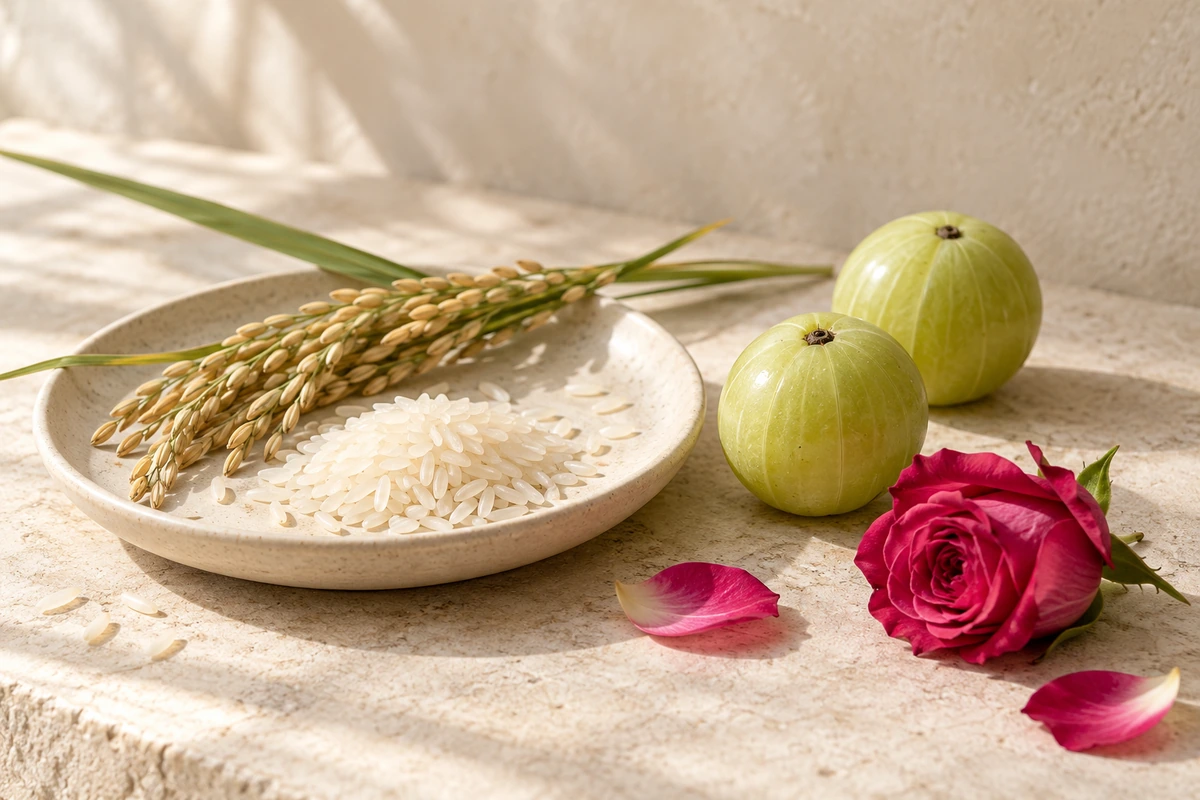
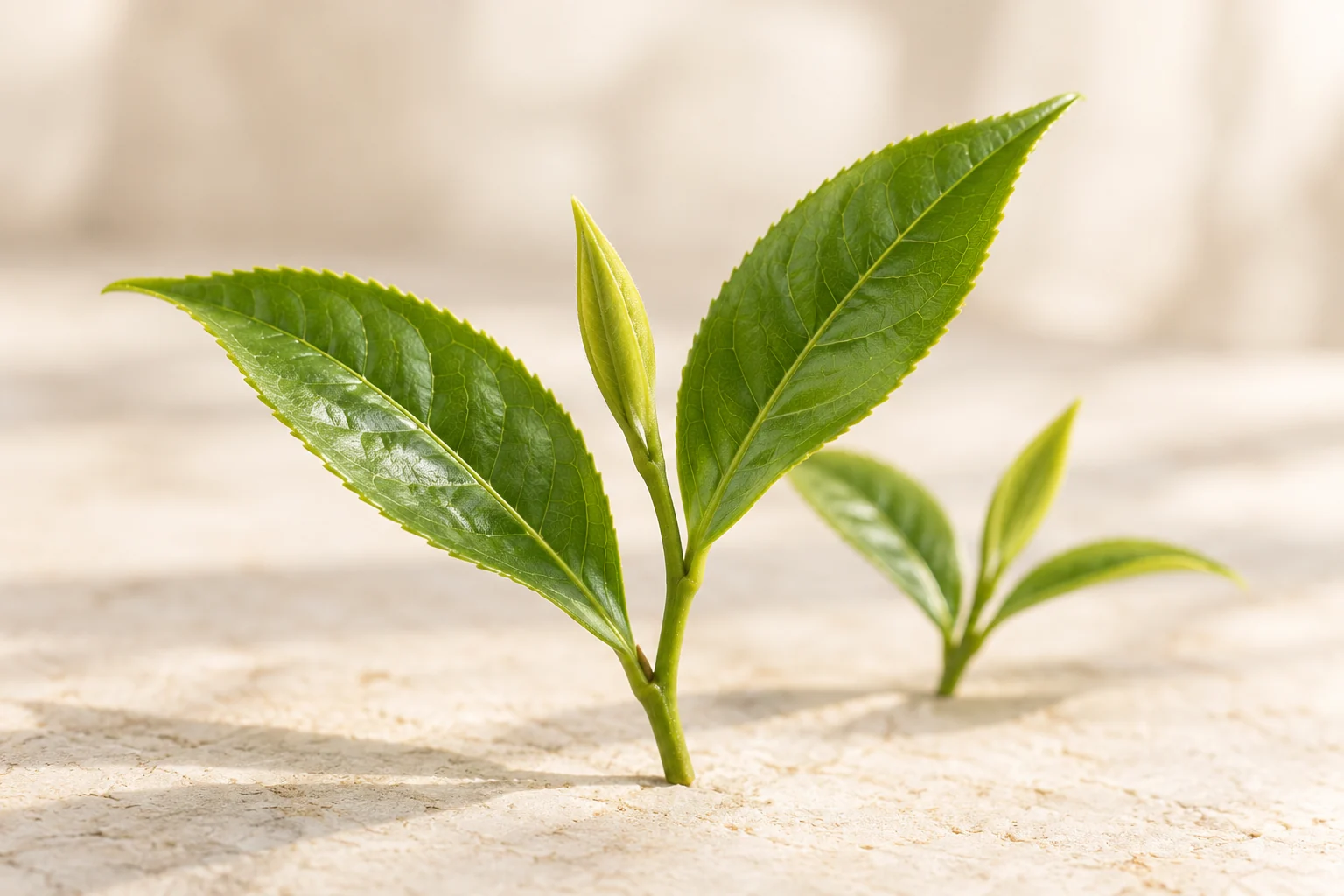
A plant name may refer to different parts of the plant, such as a seed, leaf or fruit. An extract adds another level of detail because it is a preparation made from that starting material.
- 02
Protein preparations
Collagen and elastin refer to protein categories. Source species, processing and peptide profile can differ between preparations, so the exact material is important when connecting an ingredient with a particular study.
- 03
Other production routes
Some ingredients are produced through fermentation or other controlled processes. The final ingredient identity and specification remain important even when the finished material no longer resembles its original starting source.
Preparation
An extract has its own identity.
The whole source and the ingredient used in a formula are related, but they are not always interchangeable descriptions.
- 01
Source and fraction
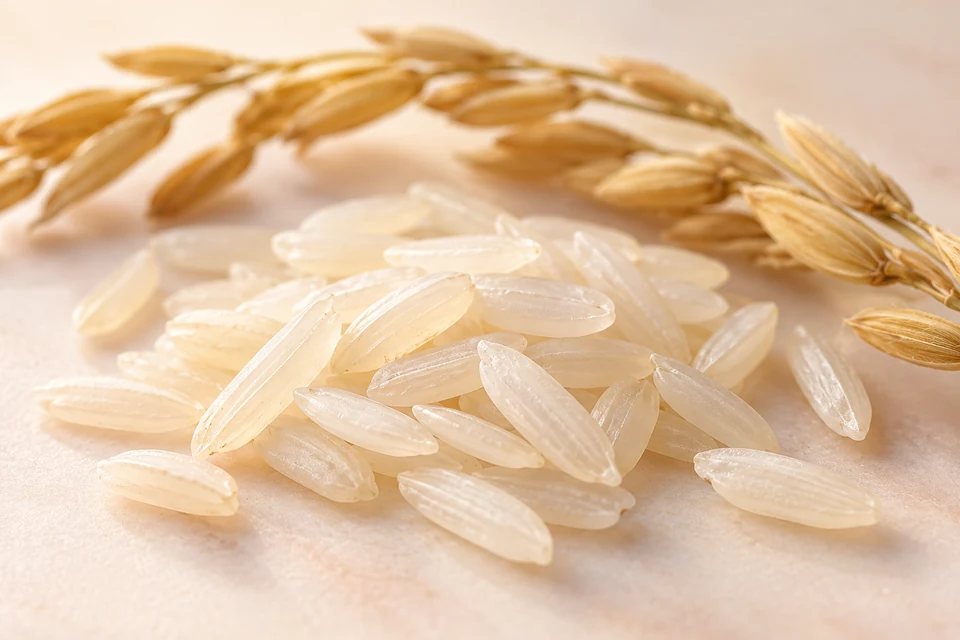
An ingredient may concentrate a selected fraction of a starting material. A rice-derived glucosylceramide preparation, for example, belongs to a different discussion from the carbohydrate content of an ordinary serving of rice.
- 02
Material and marker
A specification may describe the amount of an extract and the concentration of a marker constituent. Both numbers are meaningful when their units and basis are clear; neither should be silently substituted for the other.
- 03
Commercial preparation
A supplier's trade name can distinguish a specific preparation within a broad category. Its technical dossier can be informative when the product's ingredient identity is matched to that exact material.
Research
Follow the preparation into the paper.
The name of the research ingredient provides a useful connection between sourcing information and scientific reading.

- 01
Recognise the material
Check whether the paper describes a whole food, a purified constituent or a particular extract. This establishes what the researchers actually supplied or examined.
- 02
Read the method
The route of use and the amount studied help explain the experiment. A topical preparation and an oral ingredient, for example, enter different kinds of study and answer different questions.
- 03
Keep the reference close
A clear ingredient explanation can name the relevant research and link directly to the publication. Readers can then inspect the preparation and measurements without relying only on a summary.
Your product
Bring the detail back to the label.
For practical product identification, the full ingredient list and serving information work together.

- 01
Read the complete name
Look for the ingredient's stated form rather than only its most familiar abbreviation. This is particularly useful for mineral compounds, botanical preparations and ingredients with several possible source descriptions.
- 02
Notice allergens
Animal, marine and botanical origins can be relevant to individual dietary needs. The product's allergen information and specific precautions are part of choosing an appropriate routine.
- 03
Ask a focused question
If origin matters to your decision, ask about the exact product and ingredient. Include a label photograph and identify whether your question concerns species, plant part, production method or a particular dietary restriction.
A closer look
Your questions, answered.
What can an ingredient-source photograph show?
It can introduce an ingredient's general origin, such as a plant or the part used in a preparation. The ingredient name and technical description provide the more specific identity.
Why is the plant part or source species important?
It helps distinguish one material from another, supports more precise scientific reading and can be relevant to allergens or individual dietary preferences.