Ingredient storytelling
A good explanation begins with a good question.
Ingredients invite different questions: how they relate to skin, what role a nutrient plays, and what a study actually measures. Explore their identity, form and scientific background.

The question
The questions behind everyday care.
An ingredient is easier to understand when the reason for discussing it is clear.

- 01
A skin-care interest
Moisture, elasticity and skin structure are related but distinct topics. Peptides, lipids and other ingredients are studied in relation to particular aspects of skin, rather than a single measure of overall skin quality.
- 02
A nutrition question
A vitamin or mineral can have an established role in the body, several dietary sources and more than one ingredient form. These details help connect familiar nutrient names with the information on a product label.
- 03
A practical detail
Serving sizes, edition differences and the distinction between an extract and its constituent all matter when comparing products. An amount has meaning alongside the exact ingredient and the serving it describes.
The ingredient
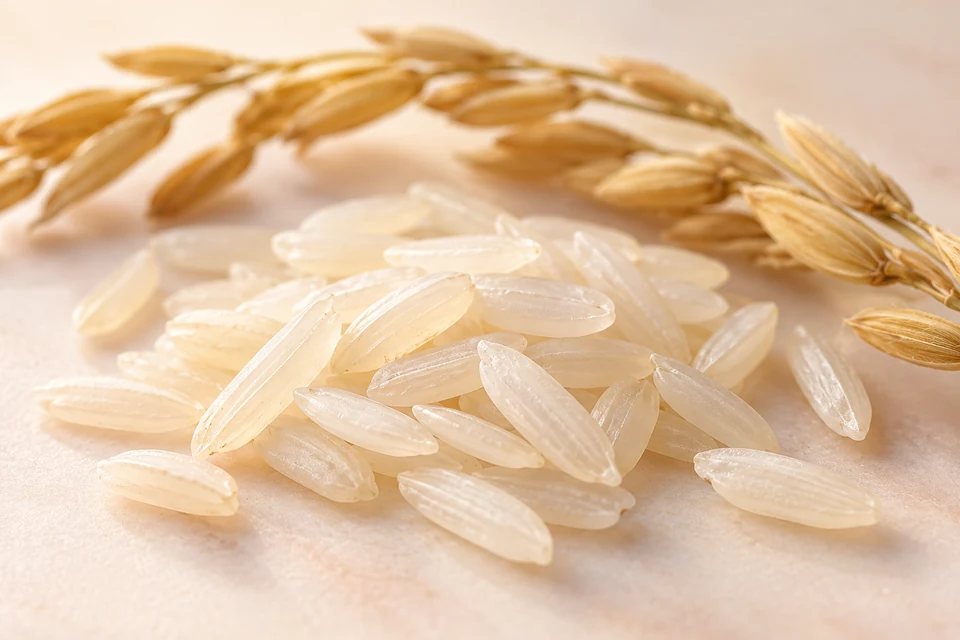
A precise ingredient identity.
Specific names make the story more informative and the references easier to follow.
- 01
Ingredient identity
An ingredient name may describe a broad category or a specific preparation. A fuller name helps distinguish the material in a formula from other ingredients that share a familiar abbreviation.
- 02
Ingredient form
A peptide preparation, a plant extract and a mineral compound are different kinds of material. Their exact forms help determine which specifications and research findings are relevant.
- 03
Amount and basis
An amount per capsule, an amount per daily serving and a whole-pack total describe different quantities. The amount of an extract also differs from the quantity of a particular constituent within it.
The research
Understand what the research examined.
The material, study setting and measurements help explain the meaning of a research finding.

- 01
Study setting
Human studies, animal experiments and laboratory cell studies answer different questions. The setting is part of understanding how a result relates to everyday nutrition.
- 02
Measured outcomes
Skin studies may measure water loss, hydration or elasticity. Metabolic studies may examine a blood marker or a response in a particular tissue. Each measurement describes a specific aspect of the research question.
- 03
Original references
The original paper provides the methods, participants, duration and results behind a short summary. Its discussion also helps place the finding alongside related research.
A closer look
Your questions, answered.
Where can I find the sources behind an ingredient explanation?
Look for the research links beside the relevant ingredient and the references section at the end of the article or page.
Why do articles include study details?
The material, participants, duration and measurement help explain the significance of a finding. They make the result easier to understand and more useful to compare with other research.